Social Procurement Case Studies
From crew to creation: how the Buy Social Corporate Challenge helped build Stitch
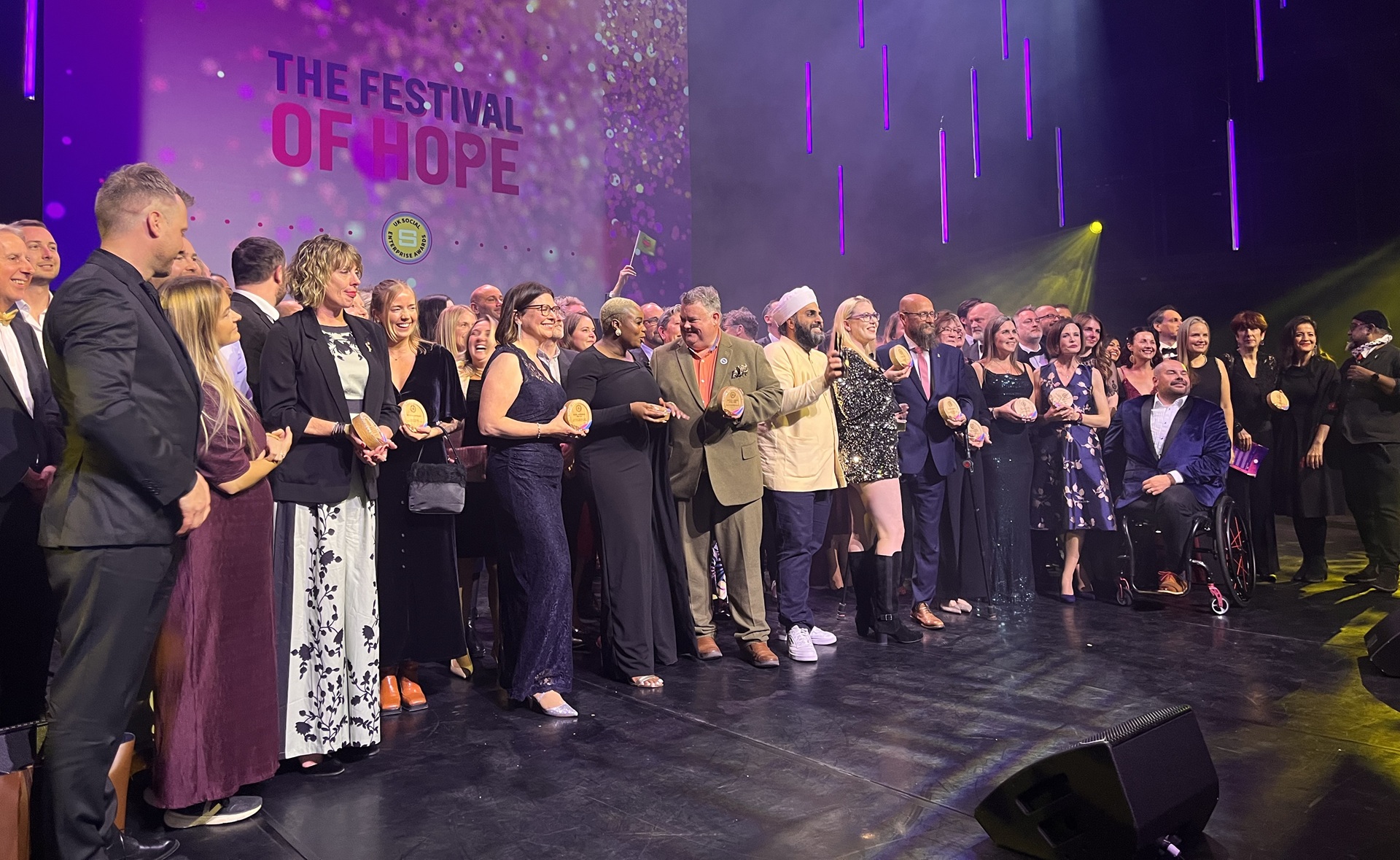
If you’ve ever doubted the value of your business network, consider the following: one business was set up because clients kept asking for a particular kind of service. That network was SEUK’s Buy Social Corporate Challenge.
Connection Crew is a social enterprise that has been creating opportunities for people affected by homelessness for two decades, providing event crew work, paying staff at least the London Living Wage and giving them valuable industry experience.
As an SEUK Recommended Supplier – a database of B2B social enterprises that trade with large corporate clients – Connection Crew has been a regular attendee of SEUK’s Social Procurement Meetups. These events are an opportunity to connect with corporate buyers signed up to the Buy Social Corporate Challenge and other social procurement programmes run by SEUK.
“We joined the cohort and spoke to the corporates about the kind of services they needed. And what they really needed was event production and sort of exhibition stand solutions,” explains Margarita Ktoris, Connection Crew’s Communications Manager.
“And even though that wasn’t what Connection Crew was doing at the time, we had expertise in the business. So essentially, we expanded our portfolio to cover it. And that’s how Stitch was born.”
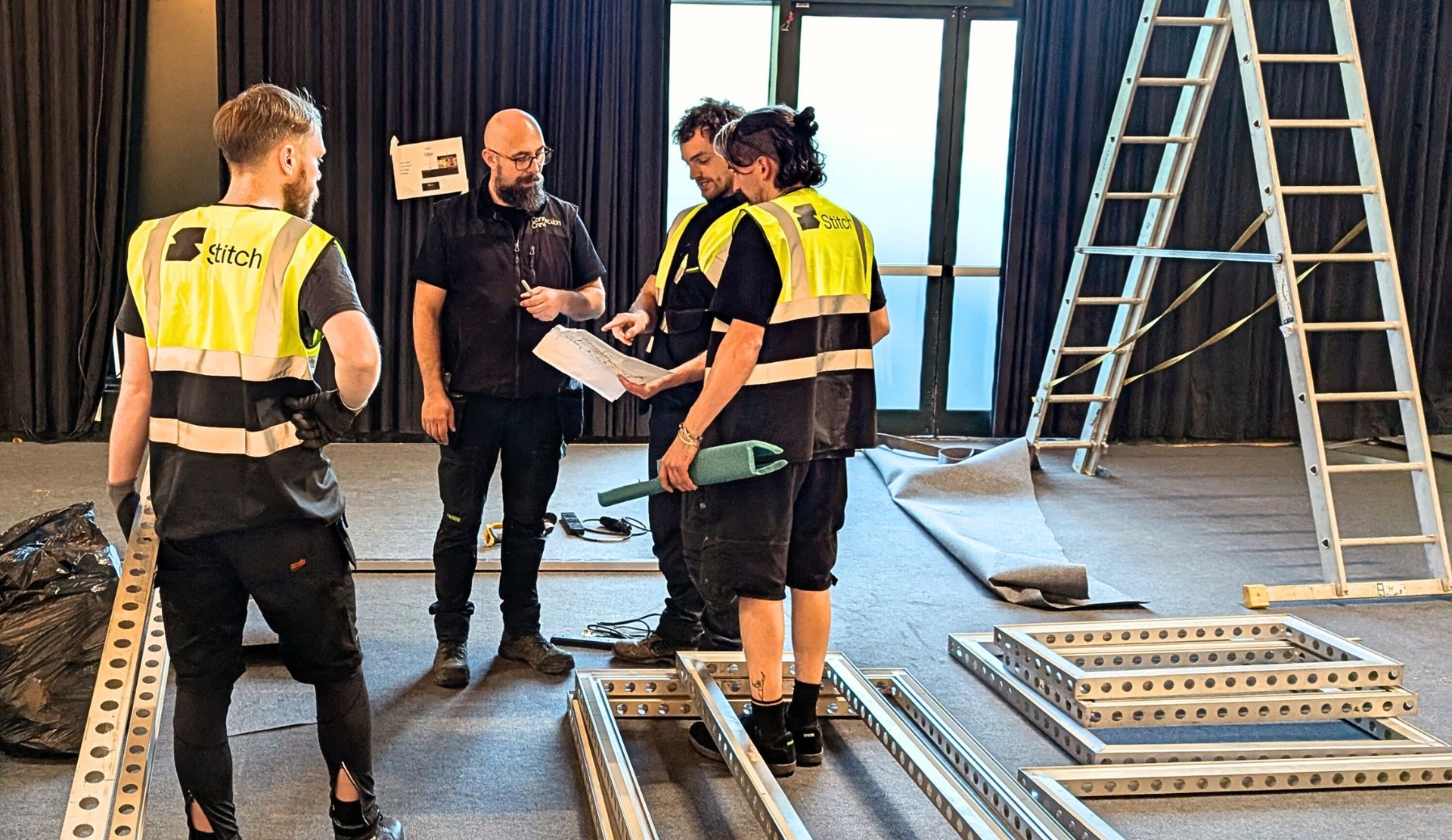
Since launching, Stitch has grown into a full-service event production company, delivering everything from large-scale exhibitions and global summits to panel events and breakfast seminars. The service is end to end, from design and build through to filming, streaming and social media assets. And crucially, social and environmental impact is built in from the outset, not bolted on afterwards.
On the environmental side, Stitch takes a circular approach to production, investing in reusable modular stock so that the vast majority of materials on any given project are built for reuse. On a recent panel event series for one of their corporate clients, 94% of the production was circular, meaning almost nothing went to waste.
On the social side, revenue from Stitch productions funds places on the Connection Crew Academy, a training programme for people affected by homelessness that builds event crew skills, confidence and employability. As Stitch grows, so does its capacity to create those opportunities. It has also helped break the glass ceiling for Connection Crew employees. Crew members could gain experience, build confidence and develop skills, but the pathway into next-level event production roles simply didn’t exist. With Stitch, those opportunities now exist.
The relationship with corporate clients fostered through the Buy Social Corporate Challenge has been central to Stitch’s growth. It has been added to the preferred supplier rosters of major corporates, generating repeat work and long-term partnerships that allow impact to build over time. Across one such partnership alone, Stitch has generated over 3000 hours of London Living Wage work for people affected by homelessness.
Around a third of startups fail within the first few years, so how has Stitch stayed in business? Ktoris’s answer is straightforward:
“I think the impact – both environmentally and socially – is really important to clients. But comes down to being able to deliver events well. And being nice probably helps too!”
It’s a characteristically down-to-earth summary of what Stitch has achieved. Connection Crew saw a gap in the market and had the ambition to fill it. Stitch is not just raising the bar for sustainable event production, it’s raising the glass ceiling for the people who make those events happen.