
News and views
What does ‘good growth’ look like?
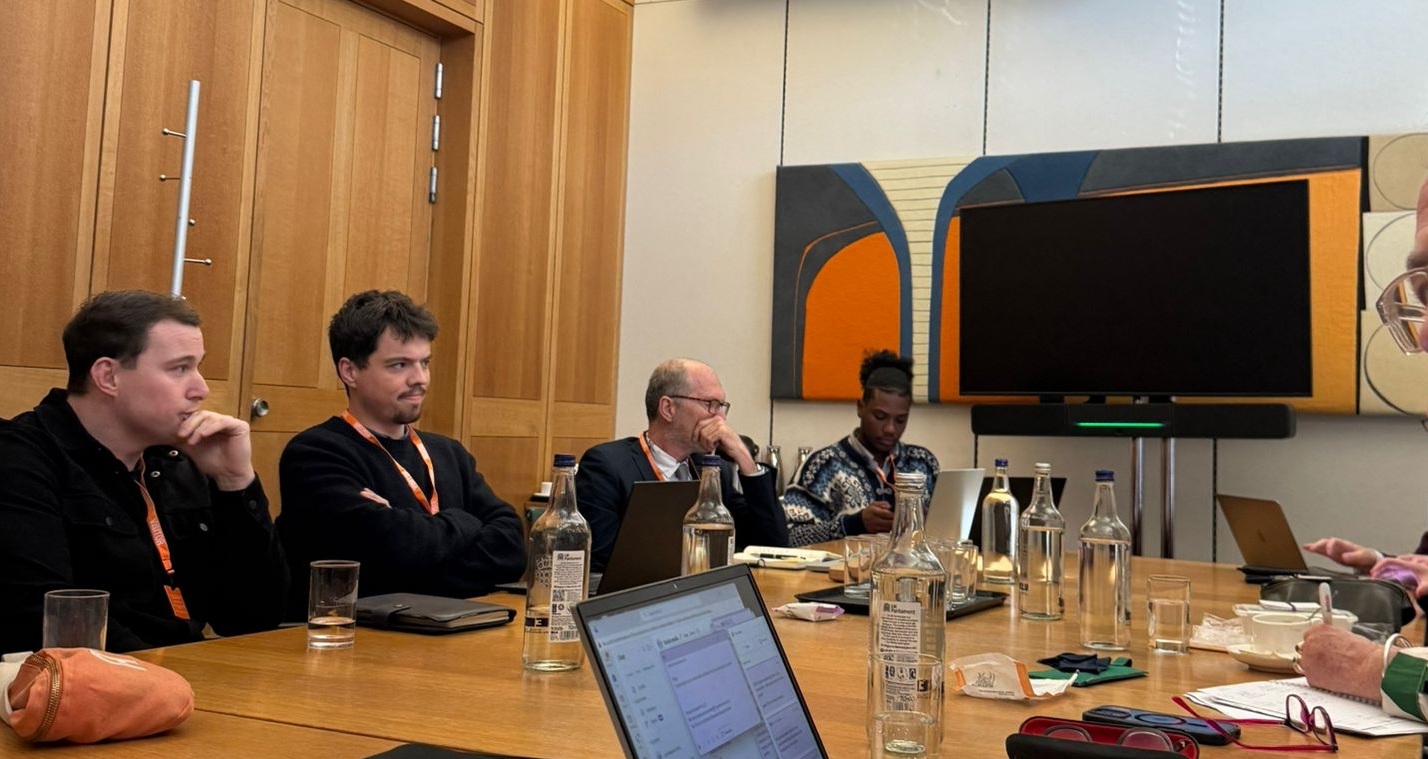
The Social, Cooperative and Community Economy All-Party Parliamentary Group (APPG) convened last week to hear from social enterprise leaders on the government's defining mission: growth. They made the case that growth without community at its heart is growth that fails most people. Growth has been the buzzword of the Labour government since it was elected, but there's a stark difference between growth that widens inequality and 'good growth' that delivers better living standards for everyone. Social enterprise leaders came to Westminster to tell Patrick Hurley MP that their sector is not just part of the answer; it is often ahead of where government policy currently sits. The social enterprise economy in action Gareth Hart, Director of the Plymouth Social Enterprise Network, offered some striking numbers. Plymouth is home to 250 social enterprises, representing 10,000 jobs and around £650 million a year, roughly 20% of the local economy. The city has catalysed £15 million of social investment, seen measurable improvements in the Index of Multiple Deprivation, and been recognised by PwC as one of the best cities for living and working. But Hart was equally clear about what is still needed: access to finance, advice and training, markets, and much better support with impact reporting. The social enterprise infrastructure, he warned, is fragile and needs sustained investment and better policy at both local and national level. More than GDP One of the meeting's most striking statements came from Social Enterprise Coalition Group CEO Peter Holbrook, who challenged the very framing of growth as a measure of national progress. Pointing to the Joint Intelligence Committee's 2026 report on threats including water scarcity, conflict and migration, he argued that social enterprises don't just deliver growth: they deliver security and resilience. Decentralised, community-rooted organisations, he said, have proven their capacity to adapt in a crisis, as COVID made plain. "Social enterprises aren't just delivering resilience and security and growth," said Holbrook, "they're also creating opportunities for communities to come together, build relationships and become self-determining." A narrow focus on GDP figures, he warned, obscures the full value of what the sector contributes. Liverpool's blueprint Jennifer Van der Merwe, Executive Director of Kindred in the Liverpool City Region (and now also seconded as a Place Advisor to the Office for the Impact Economy) described a model others might learn from. Liverpool's ten-year local growth plan has inclusive growth at its core, she told the room. Kindred is scaling its social investment from £6.5 million to around £50 million, working with eight infrastructure organisations across the city region. Since 2020, its membership of socially trading organisations has grown from 150 to 1,600. Central to the approach is the concept of social and financial innovation zones — placing social economy thinking at the heart of industrial clusters in sectors like advanced manufacturing and health sciences that wouldn't traditionally associate themselves with social enterprise. As Van der Merwe put it: "You're either a social business or you're an antisocial business. It's not what your governance structure is; what are your behaviours?" What's blocking progress Duncan Howard of ECT Charity put his finger on a persistent frustration: the Social Value Act is not being followed by local authorities. ECT moves people where the market won't, getting children to school and older people into town, connecting communities. That social value isn't being factored into contracting decisions, leaving community transport operators to deliver subsidised services ... but without any subsidy. Community asset transfer was another flashpoint. Birgit Kehrer of ChangeKitchen CIC in Birmingham described the local picture as a near-failure with the responsible part of the council near enough blocking transfers, and assets being sold off to developers for a fraction of their value. Central government, the room agreed, needs to issue clear guidance and hold local authorities to account. What needs to happen Several concrete proposals emerged. Van der Merwe called for capital to be redesigned and devolved to place. Kehrer argued for longer-term funding settlements and better support for apprenticeships within social enterprises. Holbrook suggested aligning local authority pension fund incentives with local investment opportunities, and asked government to match the sector's ambition in its own language and leadership. Gareth Hart's suggestion drew immediate recognition from the chair: social enterprise economic development zones, where CIC startups receive corporation tax exemptions and business rate relief, and CICs are brought into line with charities for policy purposes. "There are no new ideas under the sun," Patrick Hurley acknowledged, citing a twenty-year-old pamphlet he still had on social enterprise zones. "But it's a good idea. We should do it." The Social, Cooperative and Community Economy holds regular evidence sessions with practitioners, investors and policymakers.
4 min