News and views
Social enterprises to government: back us and we’ll fix the labour market
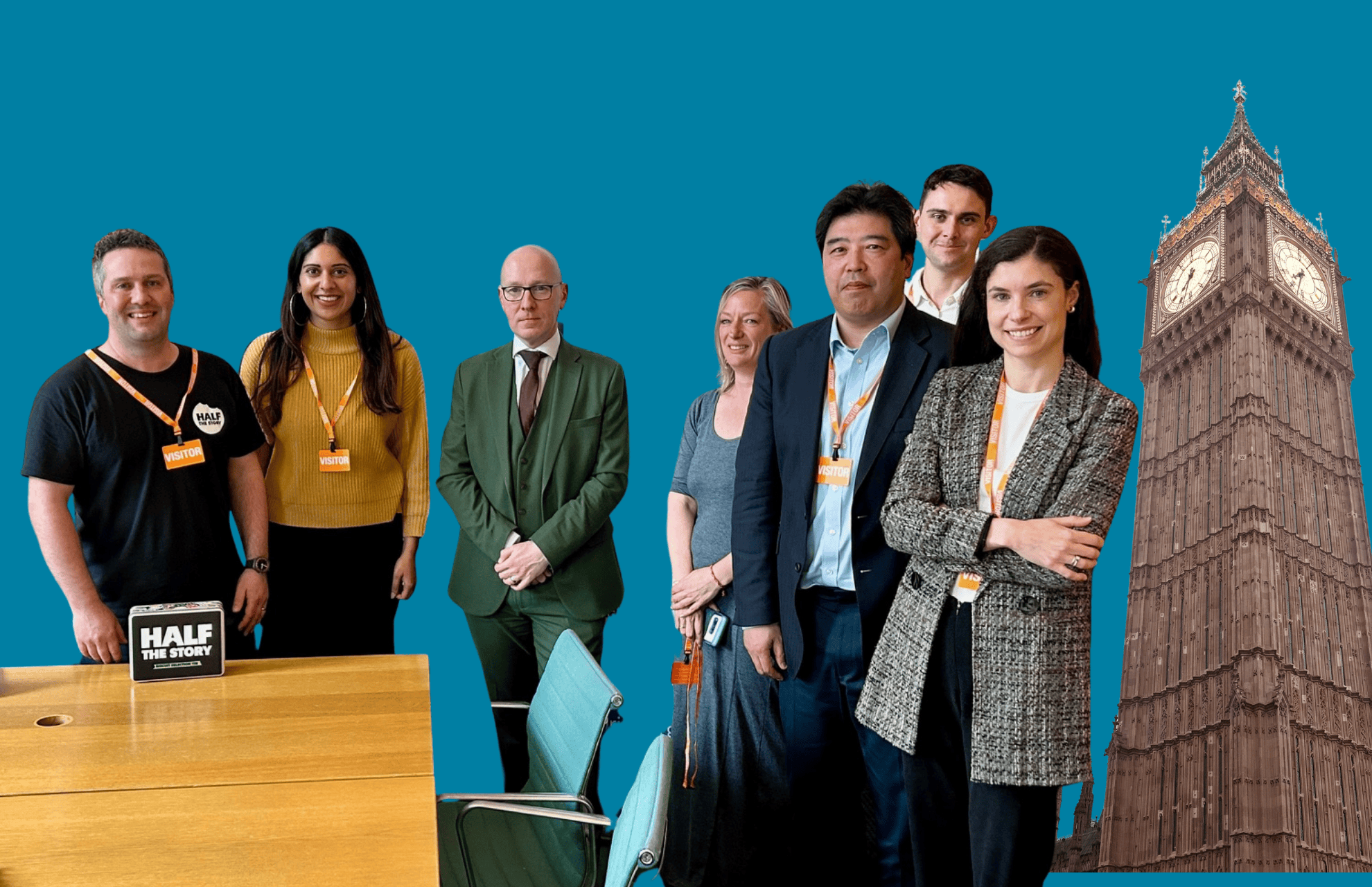
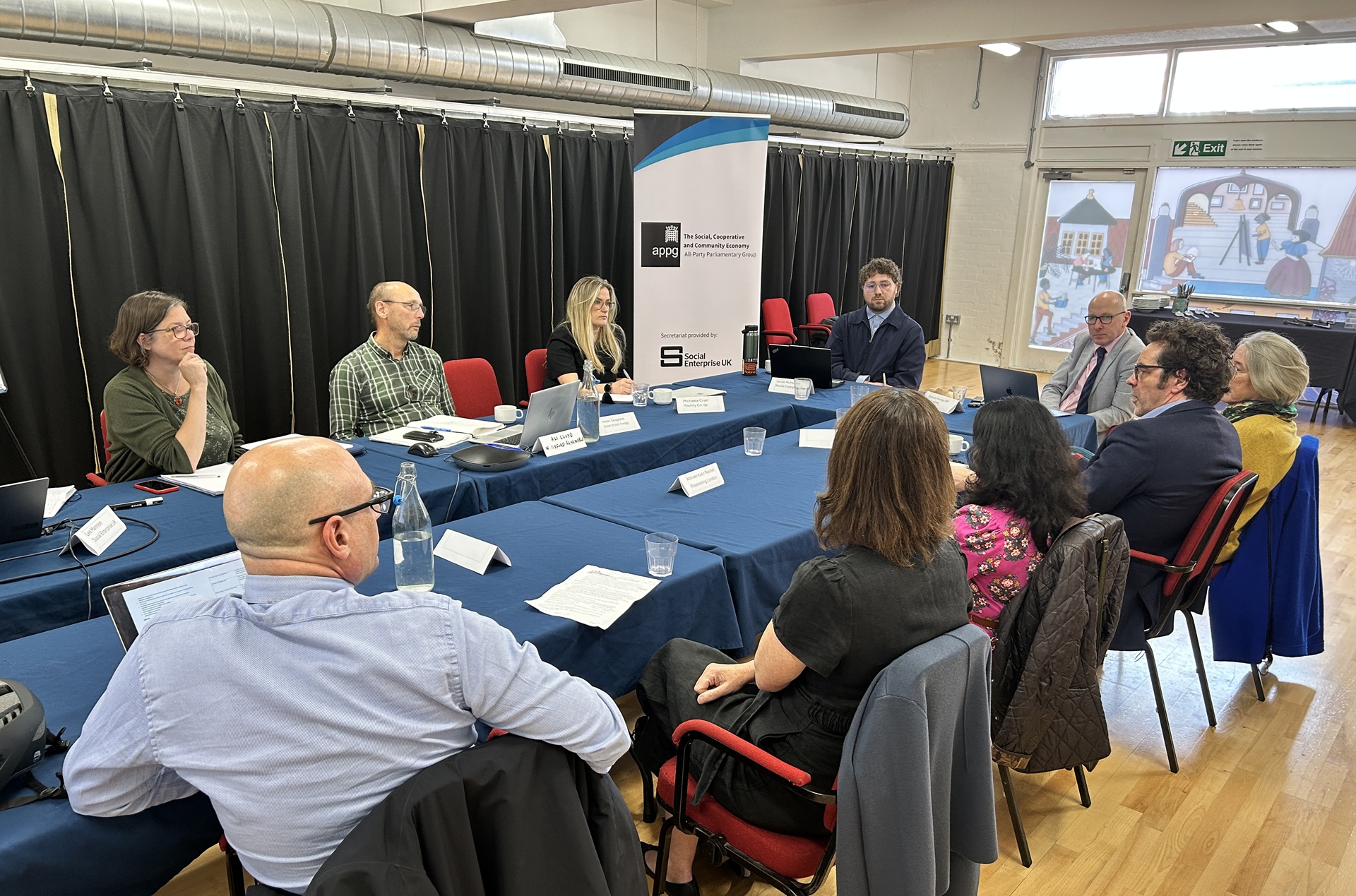
Several social enterprise leaders recently met with government to share how they could be supported to create more jobs
President Trump’s invasion of Iran and the associated financial tremors aren’t making it easy currently, but economic growth remains the government’s priority. Key to that will be a more resilient labour market, one that delivers secure, quality employment, supports career progression and includes those furthest from work.
Despite facing challenges, social enterprises are experts in this field, so sector leaders recently met with Patrick Hurley MP to give evidence of how they could contribute to economic growth in this way.
Evidence has shown that social enterprises are significantly more likely to employ people from disadvantaged groups and operate in left-behind communities, providing holistic employment support. They contribute to higher workforce stability and retention, improved wellbeing and productivity, and help reduce long-term pressure on welfare and public services.
Yet it’s far from plain sailing. Leaders told Hurley of the difficulties they face, including short-term, cost-driven commissioning, barriers to accessing public contracts and the labour intensive (and potentially fruitless) work of applying for grants. Their experiences painted a vivid picture of what social enterprises can achieve, but also of the systemic failings holding them back.
Opening the door to employment
“We are set up to employ people that no one else will,” said Half the Story founder Matt Parfitt, describing the ethos of his biscuit business. “We try to lower the bar for access, but only as a stepping stone to higher-value jobs. It’s the holistic support – the culture, the coaching, English lessons for refugees, help with finances or housing – that changes lives, not just the job itself.” Half the Story is now planning to replicate its bakery model in ten locations, proof that purpose-driven business can scale, without permanent subsidy. The business is philanthropically seed funded.
Lucy Ferguson of Mediorite, a 15-year-old video production company, was candid about the pressures her organisation faces. “It has never been harder to operate as a social enterprise,” she said. “The demand is growing, but how do you remain sustainable when fighting for funding against other charities and fighting commercial businesses for work?” Ferguson also highlighted an unpaid burden many social enterprises carry: “We are filling gaps between schools, the DWP, and the commercial sector, but we aren’t getting paid for that extra support work.” With labour costs rising and tenders coming in below market rate, Ferguson warned of a sector reduced to “fighting each other for crumbs left by the commercial sector.”
Armeena Atwal of Breakthrough echoed the frustration. Supporting ex-offenders and people with mental health issues requires intensive one-to-one coaching, yet commissioning often rewards the lowest bid. “The people we work with have often been failed by every other system. They need more than a job board and a CV workshop – they need time, coaching, and someone in their corner,” said Atwal.
“That costs more upfront. But every person we support into sustained employment saves the state thousands. It’s not a moral argument, it’s a financial one. We just need commissioning that’s willing to look beyond the next twelve months.”
How the government can support social enterprises
Several practical solutions emerged. Ferguson argued that the apprenticeship levy should be reformed to cover wages, not just training costs, giving smaller enterprises the financial breathing space to bring in people who need time to develop. Athwal called for a culture change among large corporates and argued that government should, when awarding major contracts, hold suppliers to account for what they actually do to prioritise the social sector. Chair of the meeting Patrick Hurley noted that procurement officers routinely fail to use the powers already available to them under the Social Value Act, and signalled his intention to address this at national level in the coming months.
The Skill Mill‘s Iciar Ania raised the importance of data. Her organisation works with young people who have offended, and has secured funding from the Youth Endowment Fund to run a randomised control trial across 22 areas but accessing data on employment and reoffending outcomes remains frustratingly difficult. Better data access, she argued, would help prove what works and unlock investment in what does.
Cutting through all of it was a question about value. Not value for money in the narrow sense, but value in the broader sense – what society is actually willing to pay for. As Parfitt put it: “If it’s just about price, it’s a race to the bottom. We have to speak the language of value.” He pointed to the Belu water on the table as a small but telling example: someone in procurement had chosen to spend more on water because the story behind it mattered.
The ask from this group of leaders is not radical. They are not seeking permanent subsidies or special treatment. They want commissioning that reflects the true cost of supporting the hardest-to-reach, procurement that looks beyond the lowest price, and the kind of seed investment that allows proven models to grow. Done right, the returns – in reduced welfare dependency, improved wellbeing, and stronger communities – would far outstrip the outlay.
The evidence will contribute to recommendations in a final report to be published later this year.