News and views
The ‘impact economy’ has a politics. Here’s how we make it work for everyone.
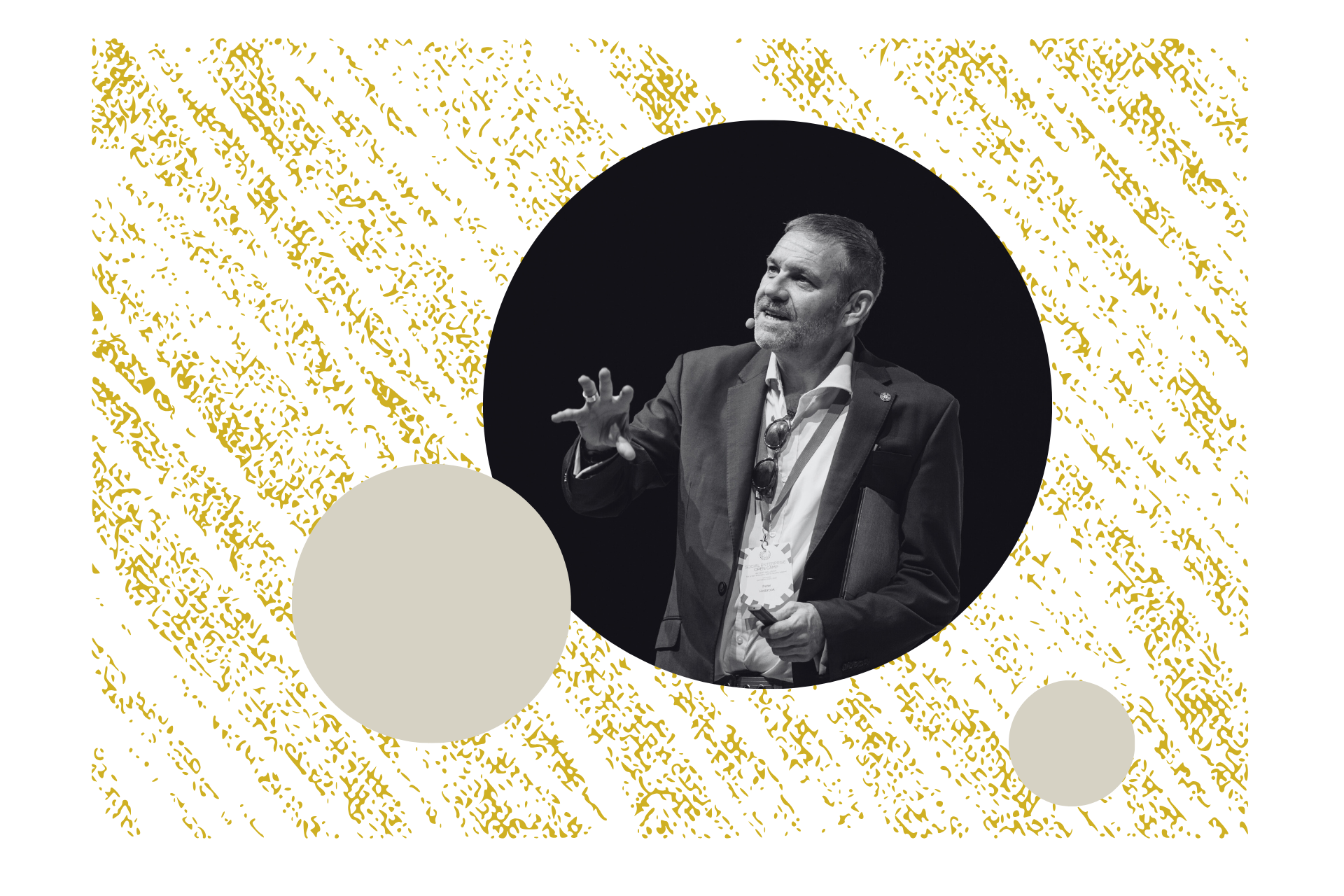
By Peter Holbrook – Group Chief Executive, Social Enterprise UK
New Philanthropy Capital’s Impact UK report has sparked an important national conversation. Its headline figure – £428bn of gross value added, roughly 15% of GDP -gives the impact economy the visibility and scale that policymakers and markets understand. This is valuable work that should be celebrated.
But the boundary-drawing behind that number deserves closer scrutiny. How we define the impact economy shapes who gets seen, who gets financed, and ultimately, who benefits from growth. And right now, that definition risks privileging investor-compatible models over democratic ownership structures – in ways that contradict the report’s own stated principles.
The definitional problem
NPC defines the impact economy as “an ecosystem of individuals, organisations, and capital intending to prioritise public benefit over private gain.” This is a clear, useful definition. The puzzle is how it’s been applied.
NPC’s researchers have clarified that they included co-operatives and employee-owned businesses deemed “impact-led” based on intentionality, rather than including them by default. Meanwhile, many B Corps – private companies legally structured to prioritise shareholder interests – were included.
Consider the contradiction: under Companies Act s172, directors must promote the success of the company for the benefit of its members (shareholders). The Supreme Court forcefully reiterated this in Sequana. B Corp certification raises standards and transparency, but it cannot override fiduciary duty. When profit and purpose collide, shareholder primacy still frames the decision. Many B Corps are excellent businesses, but structurally they remain oriented toward private gain, not public benefit.
By contrast, worker co-operatives and employee-owned businesses are legally structured to share surplus among workers, not extract it to external shareholders. Community benefit societies anchor assets for public benefit. Community Interest Companies have asset locks preventing private extraction. These structures embody “public benefit over private gain” by design, not aspiration.
So why must democratic ownership models prove their impact credentials while investor-owned models are accepted on stated intent? This double standard matters because it shapes the entire policy architecture being built around the impact economy.
Policy architecture
The Government’s new Office for the Impact Economy represents a significant opportunity. As a central ‘front door’ for philanthropists, impact investors, and purpose-led businesses, it can accelerate collaboration and unlock capital for communities.
But architecture shapes outcomes. A front door designed primarily around investment will naturally privilege investable vehicles – conventional companies and project structures that fit standard risk-return profiles – over democratic ownership forms that don’t. We’ve seen this pattern before: well-intentioned policies that inadvertently reinforce existing power structures because the infrastructure favours certain models.
This isn’t inevitable. With deliberate design choices, the Office for the Impact Economy could become a powerful engine for public benefit. But that requires us to be explicit about ownership structures from the start.
What the evidence shows
At Social Enterprise UK, our State of Social Enterprise research shows social enterprises deliver around £78bn in turnover and approximately 2.3 million jobs, paying the real Living Wage far more than conventional businesses while reinvesting surpluses in their missions. Yet many face constrained access to finance precisely because their ownership structures don’t fit conventional investment models.
UK research on employee-owned businesses shows strong productivity, resilience during economic downturns, and better outcomes across worker wellbeing and retention. Worker co-operatives directly share surplus and keep enterprises rooted locally. Community benefit societies anchor assets in places. These models don’t just claim to prioritise public benefit – they’re legally required to do so.
A path forward
Three practical steps would strengthen the framework and help the Office for the Impact Economy deliver on its promise of genuinely prioritising public benefit:
First, align definitions with principles. NPC’s next edition should fully include co-operatives, employee ownership trusts, mutuals, and credit unions in core figures – or publish supplementary analysis this year. If the definition is “public benefit over private gain,” then structures legally designed to deliver this should be counted by default, not case-by-case.
Second, measure what matters. GVA tells us about economic activity; it doesn’t tell us who benefits. Add metrics that reveal whether public benefit is actually prioritised: worker profit-share, pay ratios, community asset growth, employee governance rights. Break these down by ownership model so we can see which structures deliver on the stated definition.
Third, create a Democratic Ownership Window within the Office for the Impact Economy. This could include: an SME succession facility supporting employee-ownership conversions; a community shares match fund for local asset purchases; and procurement scoring that rewards ownership structures designed for public benefit. Make it as accessible to support democratic ownership as it is for impact investment vehicles.
The broader context
We should be candid about history. The UK has spent decades marketising public services through outsourcing. The empirical record includes evidence linking certain forms of for-profit health outsourcing to worse outcomes. The impact economy will operate within that legacy.
This doesn’t mean all private provision is harmful or all democratic ownership is virtuous. It means when we create new mechanisms for capital to engage with public purpose, design matters enormously. If we want the impact economy to genuinely prioritise public benefit over private gain – as NPC’s definition promises – we must make deliberate design choices about ownership.
An invitation
NPC has catalysed a timely conversation. The Office for the Impact Economy signals genuine government commitment. These are opportunities we should embrace.
But if the impact economy is truly about prioritising public benefit over private gain, ownership structures need to be central. Not as an afterthought, but as a core dimension of impact itself. This means counting – and backing – the enterprises that are legally designed to serve public benefit, not just those that aspire to it.
The impact economy has a politics, whether we acknowledge it or not. The question is whether that politics entrenches conventional ownership patterns, or opens pathways to genuinely different structures. The choices we make now – in our definitions, our measurements, and our policies – will determine which future we build.