News and views

News and views

Bringing together cross-sector leaders to shape the future of social value – reflections on the Social Value Leaders’ Summit

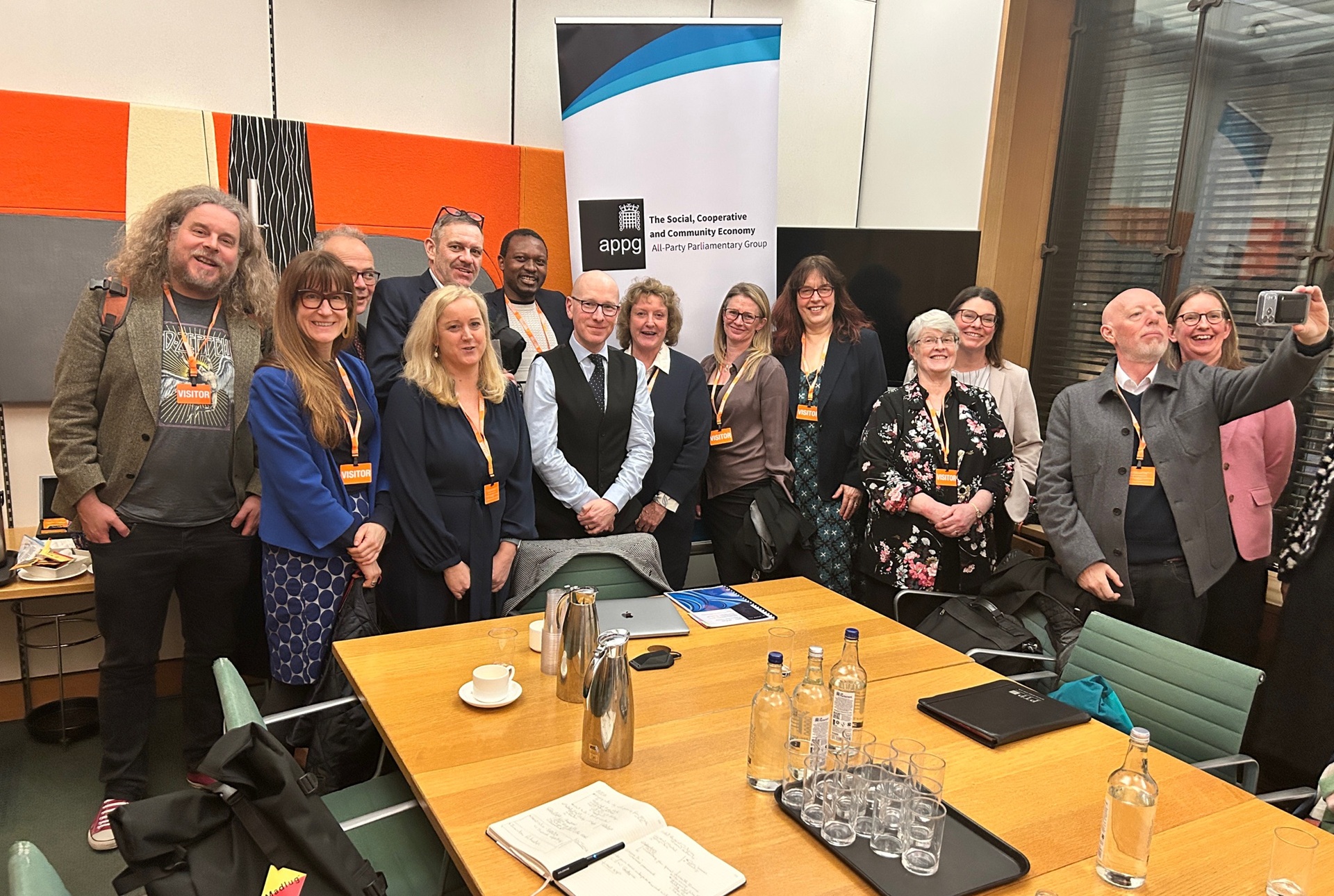
On Wednesday 25 March 2026, leaders from across the private, public and social enterprise sectors came together at the Strand Palace Hotel to discuss and debate the future of social value, one year after the passing of the Procurement Act and the opportunities it presented to social enterprises. The Summit opened with an introduction from Nancy Park, Social Value leader at event partner PwC. She set the tone for the day, stating that “social value is no longer a footnote, it is a differentiator.” Josh Babarinde OBE MP delivered our opening keynote and praised the bold language of the government’s National Procurement Policy Statement (NPPS) and its commitment to maximising procurement spend with VCSEs. Yet he was frank about the gap between ambition and reality: over the last five years, only 4% of public sector contracts were won by social enterprises, and only around 5% of the sector engages in government contracting at all, hinting that he had some idea why that was. As a former social entrepreneur himself, he said he understood the burden of completing a 200-page pre-qualification document as a small organisation with limited resources. His verdict on the ambitions of the Procurement Act were frank: “The Act gave us the tools, the statement gave us the direction, what we now need is the political will to follow through and the cultural change needed across the economy.” The gap between policy and practice proved to be a recurring theme throughout the day. Co-creation, missions and creating a common good economy Our second keynote was delivered by Mariana Mazzucato CBE, Professor in the Economics of Innovation and Public Value at University College London, who in a sweeping speech covered everything from the social value inherent in the Notting Hill Carnival to the moon landings. The overarching themes of her speech were the importance of co-creation and lived experience in designing procurement systems, the importance of uniting across sectors to tackle the “wicked challenges” we collectively face, and the need for new economic thinking to underpin systems and create a “common good economy”. She gave a passionate argument for embedding missions as a unifying factor to bring different economic actors together around a common purpose, and also warned of the dangers of the state being too reliant on outsourcing to consultants when it should be empowered to proactively shape markets, not just fix them. But what of procurement?  Professor Mazzucato stressed the vital role of procurement in driving forward towards an economic system that works for people.  It can be a tool to work with communities to shape services and can also serve to unite sectors in a common purpose, creating new markets and directing spend towards the achievement of a particular goal - after all “the first thing they did to get to the moon was redesign procurement.” How is public sector procurement changing and what is the role of the impact economy? Crown Representative for the VCSE sector Claire Dove CBE confirmed that VCSE spend targets set under PPN01 (a procurement notice looking at how central government departments should implement the NPPS) will be subject to quarterly ministerial review and re-profiled upward if insufficiently ambitious. Both she and the Department of Transport’s Robert Vaughan stressed the importance of VCSEs registering on the new central digital platform, noting that a “lack of pipeline visibility” remains a key barrier to more VCSEs being in the supply chain. Jo Jarvis of National Highways recognised progress in more VCSEs being in supply chains, but agreed with Babarinde, who had earlier highlighted the limitations in government department VCSE spend being only recognised on direct contracting. Jarvis also that this should be extended to indirect spend as well, given that so much work is done through sub-contractors. What was apparent from the panel was that this is very much a turning point for how government departments engage with social value and in government being held accountable for purchasing from social enterprises. As Claire put it, “the conversation on how to build in social value is (now) normal.”   The final panel session of the morning looked at how recent developments, such as the creation of the Office for the Impact Economy affect and impact public procurement and social value. Dame Patricia Hewitt opened by stating that “there has been a huge amount of positive change on social value over the recent years.” However, the main focus of the discussion hinged on the reality of the challenges social enterprises are currently facing, and the limitations of the Office for the Impact Economy, with Peter Holbrook saying that it’s “focus on philanthropy and impact investment should be a means to an end rather than an end in itself.” Whilst talk of the impact economy was welcome, there is a danger that government may forget the immediate issues facing social enterprises from the impact of the rise in employer NI contributions to how social enterprises working within the NHS have once again been left out of being funded to meet a new NHS pay deal, which will make it harder for them to compete with other organisations in the health service. Caron Dunlop, speaking from her experience driving social value at Mott MacDonald, said that the Office for the Impact Economy is, “part of a long-term journey to bring change” and that theres is a need to improve contract management, saying that  “contract management is where the gaps are” when it comes to unlocking real social value. Bringing the experiences of those in the room to the front of discussions Workshop discussions highlighted three consistent themes: social value is too often treated as an add-on rather than a core contract requirement; buyers and suppliers need to agree desired outcomes upfront rather than leaving social value to be measured retrospectively; and impact measurement tools such as the TOMs framework risk shifting focus away from real outcomes and towards a tick-box exercise. Some of these insights will be included in a report by the All-Party Parliamentary Group on the Social, Cooperative and Community Economy later this year. A big thank you to our workshop chairs for facilitating the discussions and feeding back to the whole room – Clare Connolly, Gareth Hart, Alison Ramsey and Kate Welch. From rewilding to community energy – combining environmental and social impact What have beavers got to do with social value? This is one of the things we found out from Deputy Mayor of London for Environment and Energy Mete Coban MBE, who not only mentioned the rewilding of London (introducing beavers back to the city - the first two being called Justin and Sigourney Beaver...) but how effective environmental policy is fundamentally linked to improving social outcomes and the lives of disadvantaged communities who are disproportionately impacted by the climate crisis. He talked about how Hackney Light and Power, a community energy scheme, inspired Ed Miliband to create Great British Energy and how investment in renewables and in community energy can empower local communities to take control of their own energy and save money on their bills. Echoing Professor Mazzucato’s comments on the need to co-create and include communities in decision-making, Mete ended his speech by stressing that “how you do policy is important – you’ve got to bring communities into it.” A new way to fund social value Innovation like this was also on show in the final session on new ways to fund social value. Karl Harder introduced Abundance, an investment platform that allows the public to invest in local authority schemes and receive interest on their investment - a low-cost borrowing model for councils that builds trust and creates a “community of place-based citizen lenders.” Matthew Conroy concluded the proceedings by showing how Unity Trust Bank is offering an alternative to mainstream banking with its commitment to investing in social enterprises and other purpose-driven organisations. Thank you to all our speakers and to everyone who took part in the Summit, especially our partners – Fusion21, GLL, PwC and Unity Trust Bank. Big thank you to our fantastic compere, Sarah Crawley Beaumont OBE and to the Strand Palace Hotel for hosting the event. Continue the conversation and join the Better Commissioning Coalition What was clear throughout the summit was that we’re at a pivotal moment when it comes to embedding social value in public and private sector procurement. The ambition is there to use social value as a tool to improve the livelihoods of communities up and down the UK, but the practicalities of embedding it across contracts remain difficult, with too many barriers still in place for both VCSEs and the forward-thinking organisations which look to work with them. The Better Commissioning Coalition seeks to bring together a group of cross-sector experts committed to developing a programme of work that demonstrates what procurement can do when social value is placed at its core. If you’re interested in finding out more or would like to be a part of this timely, exciting new programme, visit this page and fill out the expression of interest form at the bottom. The Social Value Leaders' Summit Summary Report This short report summarises some of the key discussion points which emerged from the workshops, panel discussions and keynote speakers. It brings together an overview of the recent changes to the procurement landscape and the opportunities they provide for VCSEs, and also looks in detail at the main challenges raised by attendees when it comes to embedding social value at the heart of public and private contracts. Click here to read the report

30 Mar

Continue reading

7 min

News and views

“Forget you’re a social enterprise!”

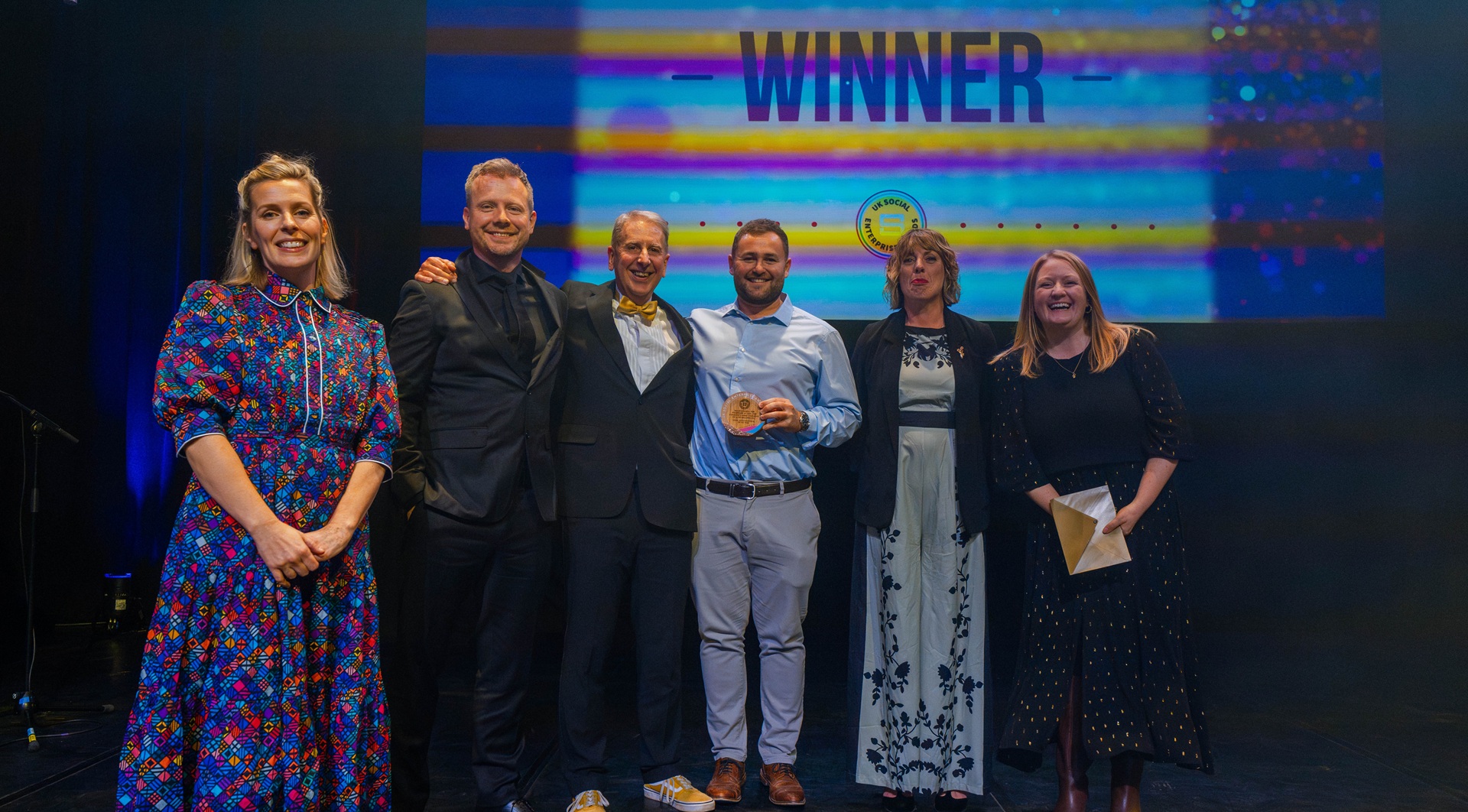
Social Enterprise of the Year award winners Change Please tell us how they’ve achieved growth and impact during nearly eleven years in business. You can’t miss the headquarters of Social Enterprise of the Year award winners Change Please, the coffee company that tackles homelessness. Outside the commercial unit they occupy on a small trading estate in Peckham in south London is a huge pink bus with ‘PROVIDING ACCESSIBLE DENTAL CARE’ emblazoned across it. This was the result of ‘Smile for Change, ’ a partnership with Colgate in 2021, as 40% of rough sleepers endure severe mouth pain. The bus houses a mobile dental clinic (fitted out by fellow social enterprise Community Dental Services). “What’s important is putting yourself in their shoes – what's the benefit for them?” Change Please’s founder and CEO, Cemal Ezel, says when asked how he establishes these kinds of partnerships with household name brands (Virgin and Mastercard are some others). “If you position your offer in line with that benefit, it’s a shortcut to them wanting to work for you. Think big and align your values with theirs to ensure it’s a partnership that’s not going to cause mission drift,” is his tip. As a social enterprise that has been in business for nearly 11 years and works in eight countries, Change Please has proved to be a resilient and successful business.  In that time, they’ve trained 1167 people as baristas (amazingly, more than 100,000 hours of training), giving them a route into work whilst also ensuring all the wraparound support necessary for a stable life is there. This can include help with accessing food banks or financial services, therapy, or housing advice. Amongst their formerly homeless graduates are refugees, care leavers and ex-prisoners. Not all of them fit the image that comes to mind when we first hear the word ‘homelessness’ – for some, it’s hostels or sofa surfing – but 42% of training graduates have been on the streets. For all the amazing work they do, we visited their HQ to find out how it felt to win in the Social Enterprise of the Year category at the UK Social Enterprise Awards last year. Having been shortlisted several times before, Cemal was shocked to hear their name announced on the night and, for the first time, hadn’t written notes just in case they did – but says the win has already benefitted the business. “Winning the award has already been an incredible bonus for us because lots of the Buy Social Corporate Challenge partners have already reached out, and we’re meeting with them to see how we can partner with them in the longer term,” said Cemal. Change Please already supply coffee to many businesses, such as the David Lloyd leisure centres, Avanti West Coast trains and the Department of Work and Pensions. How have Cemal and his team built such a resilient business? “First and foremost, forget you’re a social enterprise. How good is your product in the open market and then, as a bonus, how does it do good? We believe only 4% of organisations or individuals go out of their way to compromise on price, quality and convenience, so if you can focus on making your product as good as it potentially can be and see your social impact as a bonus, you’re going to win all day long.” Other organisations similar to Change Please have been established in their wake, something Cemal says he is pleased to see. The competition has motivated them to pivot with new innovations, and the next step is the development of an AI solution to homelessness in partnership with the Cabinet Office. The app (currently being trialled) signposts to different kinds of support available and allows users to upload official documents in 55 languages, assisting with a variety of required bureaucratic actions. If moving with the times is a sign of a business determined to endure, the longevity of one of the UK’s most visible social enterprises looks certain to be extended still further. changeplease.org

20 Mar

Continue reading

3 min

News and views

How the Growth Fund plugged the finance gap for social enterprises

Nearly £50m went out to small and medium sized charities and social enterprises in the shape of grants and loans. But with the Growth Fund closed, is the finance gap back? We look at the legacy of this pioneering fund and what has followed it. For years, social enterprises complained that there was a missing middle when it came to getting investment. Lots of startup grants or loans at the beginning of their journey were available, and plenty of finance was on offer for organisations that had grown to a certain size with a healthy turnover. But for those beyond startup with proven social impact and more modest revenue that were looking for investment to grow? Not so much. As long ago as 2017, SEUK’s ‘State of Social Enterprise’ report identified that ‘social enterprises remain ‘finance-hungry’ and ‘access to the right type of finance at the right time is still a key barrier (or enabler) of success.’ The report recommended that social investors and the wholesalers that build the market, should focus on smaller, unsecured and more patient finance, but also on products that meet the needs of social enterprises – for working capital, cash flow pressures and income diversification. The news that a final evaluation of the Growth Fund - which offered blended finance (a mix of grant and loan) of up to £150K to smaller organisations - showed that it had helped to fill a crucial gap in the social investment market is therefore very good news. The Growth Fund £50m was up for grabs, with £22.5m coming courtesy of National Lottery players. The remainder came from Better Society Capital, who contributed £27.5m from dormant assets it had received: unclaimed amounts in accounts that banks were unable to reunite with owners. The programmme was delivered by Access, which worked with 15 social investors to manage deployment. Between 2016 and 2023, 780 investments were made in 580 voluntary, community and social enterprise organisations (VCSEs), around half of which had never applied for investment outside of grants before. As the finance on offer was blended (some grant, some loan), the evaluation report concludes that it was the free money on offer (the grant) that was ‘a key motivator’. The Growth Fund was successful in plugging the ‘missing middle’ gap of finance available to small and medium sized VCSEs. The average investment was £67K, and the median annual income of funded organisations was approximately £177K, with 54% of funded VCSEs having fewer than five full-time employees. Only 12% of those funded had more than 25 full-time staff. The money was typically used for growth: scaling up existing activities, asset acquisition, diversifying income and staff development, but also for reducing reliance on grants and boosting reserves. Recipients of the money were surveyed, with 29% responding. Of those surveyed, 50% of VCSEs reported significant improvements in financial resilience. Over 70% of VCSE survey respondents indicated the social investment increased their overall social impact and the number of beneficiaries they supported. Aside from helping to grow VCSEs, the Growth Fund was also successful in growing the social investment market: 70% of those surveyed applied for further investment after their Growth Fund loan and 80% would recommend social investment to other VCSEs. Access distributed funds to various regional social investors and although experienced social investors delivered seven of the resulting social investment funds, 10 were delivered by organisations with no prior loan book management experience. Half of those are continuing with blended finance, and half are no longer active. The legacy The Growth Fund set in motion a range of further blended finance programmes, including Access’s £50m Enterprise Growth for Communities programme (the successor to the Growth Fund, backed by £20m in grants from dormant assets money), which continues to offer simple blended finance products that are largely unsecured. More recently, Access has also been allocated a further £87.5m of dormant assets money, £41m of which is intended for blended finance funds. “The Growth Fund was instrumental in establishing the role that blended finance can play in supporting smaller charities and social enterprises to access the finance they need,” said Neil Berry, Director of Programmes at Access. “Crucially, the Growth Fund was not a one‑off intervention but the starting point of a deliberate pipeline of support, ensuring there was no drop‑off or gap in the availability of appropriate finance. It has been the springboard for much of our subsequent work - at least half of the finance we support charities and social enterprises with is in the form of small-scale unsecured debt.” Please note Access funds social investors and intermediaries, not charities or social enterprises directly. If you are a charity or social enterprise looking for social investment, visit Good Finance.

10 Mar

Continue reading

4 min

News and views

What steps should the government take to double the size of the co-operatives and mutuals sector?

The Labour government’s 2024 election manifesto contained a commitment to ‘double the size’ of the co-operatives and mutuals sector. Following on from this, in November of 2025, the Department for Business and Trade launched a call for evidence on business support for co-operatives and non-financial mutuals. This was an opportunity for us to feed directly into government thinking around diverse business models, and to ensure gaps in support provision, finance, and understanding are presented to and acknowledged by the Department. Our consultation response focuses on the immense impact made by social enterprises, many of which are co-operatives, mutuals and employee-owned - the way they are driving economic growth, reducing inequalities, and creating better working environments. Particular attention is given to the vital role these types of organisations play within the NHS and the transformative impact they are having on patient care and staff wellbeing while retaining financial responsibility. We also look in depth at the challenges faced by these businesses when it comes to accessing finance and support and the gaps in understanding which are holding them back. Here are some of the key points mentioned in our response: Economic and social impact Sector Scale: Mission-led businesses (co-ops, mutuals, and social enterprises) make up 5% of UK businesses, accounting for 10% of GDP and creating around 4 million jobs. Growth Potential: If the proportion of social enterprises and co-ops within the UK economy grew from 3% to 12% of GDP, it would increase UK investment by £14 billion. If all businesses were mission-led, UK GDP could be 7% larger. Job creation: Consumer co-operatives create more jobs by turnover than average enterprises in the UK. Labour productivity in worker co-operatives is around 8-12% higher than comparable traditional firms. Resilience: 82% of co-operative start-ups are trading after 5 years, compared with just 40% of UK companies overall. Public services and healthcare NHS contribution: The 60 largest healthcare social enterprises, most of which are classified as public service mutuals, deliver £2.4 billion in services annually, covering a third of community health services and providing urgent care for two-thirds of the population. Quality: These organisations are more likely to receive "Good" or "Outstanding" CQC ratings than traditional NHS trusts. Efficiency: Research shows that social enterprises are leaner and more efficient than NHS Community Trusts, with lower staff sickness rates, lower spend on bank and agency staff, and lower overheads. Diversity and inclusion Leadership: 24% of the top 100 co-ops are led by women, compared to just 9% of the FTSE 100. Pay equity: The gender pay gap in co-ops is 7.5%, significantly lower than the UK average of 12%. Workforce: Around 65% of the social enterprise workforce is female, and 22% are from minoritised ethnicity backgrounds. Barriers to entry and growth Awareness gap: There is a lack of understanding of co-operative and mutual models among business advisors, investors, and the general public. This translates into poor, unsuitable advice for those wishing to start or scale co-operative business models. Financial hurdles: 68% of social enterprises struggle to access grant funding; many find traditional bank finance (like overdrafts) difficult to secure because banks don't understand their risk profiles. Lack of awareness in government: Public service mutuals are often "forgotten" in government decisions around funding and support, creating unnecessary strains on finances, capacity, and services. For example, they were initially excluded from pandemic bonuses and National Insurance relief granted to public sector counterparts. This creates perverse incentives, discouraging the type of organisations that consistently deliver the kind of care the NHS 10-year plan is seeking to deliver. Recommendations Joined-up government working: Despite considerable cross-party support and the ongoing growth of diverse businesses themselves, government action has been slow and in need of joined-up strategy across key departments. The Government has committed to doubling the size of the co-operative and mutual economy, and there is now also an Office for the Impact Economy. The Government must recognise that these terms overlap, and that policy decisions must take into account co-operative, social enterprise, and mutual models of ownership, and how these can coexist. Legal and fiscal frameworks: Ensure legal and fiscal frameworks do not, even unintentionally, discriminate against diverse businesses. Bolster the capacity of regulators like Companies House to remove barriers for co-operatives wanting to start or scale Routes to market and the public purse: The Procurement Act consultation should lead to joined-up integration of support for VCSEs in public procurement, and strengthening the Social Value Act can expand public/social partnerships and secure greater value for money from existing public budgets. Access to finance: DBT and DCMS, through ensuring their existing programmes are open to diverse businesses, can expand support for start-ups, growth, and replication, and enterprise development. Sector leads and champions: Diverse business model sector leads and champions need to be better embedded across government departments to strengthen awareness and coordination in order to highlight and build upon best practice. CLICK HERE TO READ OUR FULL RESPONSE TO THE CONSULTATION

18 Feb

Continue reading

4 min

News and views

The ‘impact economy’ has a politics. Here’s how we make it work for everyone.

By Peter Holbrook - Group Chief Executive, Social Enterprise UK New Philanthropy Capital's Impact UK report has sparked an important national conversation. Its headline figure - £428bn of gross value added, roughly 15% of GDP -gives the impact economy the visibility and scale that policymakers and markets understand. This is valuable work that should be celebrated. But the boundary-drawing behind that number deserves closer scrutiny. How we define the impact economy shapes who gets seen, who gets financed, and ultimately, who benefits from growth. And right now, that definition risks privileging investor-compatible models over democratic ownership structures - in ways that contradict the report's own stated principles. The definitional problem NPC defines the impact economy as "an ecosystem of individuals, organisations, and capital intending to prioritise public benefit over private gain." This is a clear, useful definition. The puzzle is how it's been applied. NPC's researchers have clarified that they included co-operatives and employee-owned businesses deemed "impact-led" based on intentionality, rather than including them by default. Meanwhile, many B Corps - private companies legally structured to prioritise shareholder interests - were included. Consider the contradiction: under Companies Act s172, directors must promote the success of the company for the benefit of its members (shareholders). The Supreme Court forcefully reiterated this in Sequana. B Corp certification raises standards and transparency, but it cannot override fiduciary duty. When profit and purpose collide, shareholder primacy still frames the decision. Many B Corps are excellent businesses, but structurally they remain oriented toward private gain, not public benefit. By contrast, worker co-operatives and employee-owned businesses are legally structured to share surplus among workers, not extract it to external shareholders. Community benefit societies anchor assets for public benefit. Community Interest Companies have asset locks preventing private extraction. These structures embody "public benefit over private gain" by design, not aspiration. So why must democratic ownership models prove their impact credentials while investor-owned models are accepted on stated intent? This double standard matters because it shapes the entire policy architecture being built around the impact economy. Policy architecture The Government's new Office for the Impact Economy represents a significant opportunity. As a central 'front door' for philanthropists, impact investors, and purpose-led businesses, it can accelerate collaboration and unlock capital for communities. But architecture shapes outcomes. A front door designed primarily around investment will naturally privilege investable vehicles - conventional companies and project structures that fit standard risk-return profiles - over democratic ownership forms that don't. We've seen this pattern before: well-intentioned policies that inadvertently reinforce existing power structures because the infrastructure favours certain models. This isn't inevitable. With deliberate design choices, the Office for the Impact Economy could become a powerful engine for public benefit. But that requires us to be explicit about ownership structures from the start. What the evidence shows At Social Enterprise UK, our State of Social Enterprise research shows social enterprises deliver around £78bn in turnover and approximately 2.3 million jobs, paying the real Living Wage far more than conventional businesses while reinvesting surpluses in their missions. Yet many face constrained access to finance precisely because their ownership structures don't fit conventional investment models. UK research on employee-owned businesses shows strong productivity, resilience during economic downturns, and better outcomes across worker wellbeing and retention. Worker co-operatives directly share surplus and keep enterprises rooted locally. Community benefit societies anchor assets in places. These models don't just claim to prioritise public benefit - they're legally required to do so. A path forward Three practical steps would strengthen the framework and help the Office for the Impact Economy deliver on its promise of genuinely prioritising public benefit: First, align definitions with principles. NPC's next edition should fully include co-operatives, employee ownership trusts, mutuals, and credit unions in core figures - or publish supplementary analysis this year. If the definition is "public benefit over private gain," then structures legally designed to deliver this should be counted by default, not case-by-case. Second, measure what matters. GVA tells us about economic activity; it doesn't tell us who benefits. Add metrics that reveal whether public benefit is actually prioritised: worker profit-share, pay ratios, community asset growth, employee governance rights. Break these down by ownership model so we can see which structures deliver on the stated definition. Third, create a Democratic Ownership Window within the Office for the Impact Economy. This could include: an SME succession facility supporting employee-ownership conversions; a community shares match fund for local asset purchases; and procurement scoring that rewards ownership structures designed for public benefit. Make it as accessible to support democratic ownership as it is for impact investment vehicles. The broader context We should be candid about history. The UK has spent decades marketising public services through outsourcing. The empirical record includes evidence linking certain forms of for-profit health outsourcing to worse outcomes. The impact economy will operate within that legacy. This doesn't mean all private provision is harmful or all democratic ownership is virtuous. It means when we create new mechanisms for capital to engage with public purpose, design matters enormously. If we want the impact economy to genuinely prioritise public benefit over private gain - as NPC's definition promises - we must make deliberate design choices about ownership. An invitation NPC has catalysed a timely conversation. The Office for the Impact Economy signals genuine government commitment. These are opportunities we should embrace. But if the impact economy is truly about prioritising public benefit over private gain, ownership structures need to be central. Not as an afterthought, but as a core dimension of impact itself. This means counting - and backing - the enterprises that are legally designed to serve public benefit, not just those that aspire to it. The impact economy has a politics, whether we acknowledge it or not. The question is whether that politics entrenches conventional ownership patterns, or opens pathways to genuinely different structures. The choices we make now - in our definitions, our measurements, and our policies - will determine which future we build.

17 Feb

Continue reading

4 min

News and views

Reflections on social procurement at SEWF 2025

Charlie Wigglesworth, Managing Director of Telos, reflects on this year's Social Enterprise World Forum in Tapei, the UK's status as a leader in social procurement, and the lessons that can be learnt from dynamic initiatives in East Asia. I’ve been lucky enough to sit on the board of the Social Enterprise World Forum (SEWF) for the past six years. Whilst a combination of Covid and being a new parent has limited my attendance to just two events in this time, the event in Taipei was a timely reminder of the incredible convening power of SEWF and the extent to which social enterprise is a truly global movement, with over 1000 participants from more than 65 countries. Discussions on social procurement have become increasingly prevalent at social enterprise events in the past 5-6 years. As someone who has been heavily involved in this space for the past ten years it’s been great to watch it grow in the consciousness of the social enterprise sector at large as something of interest and importance. I often felt leaving these conversations however that our work in the UK was well ahead of most of our international peers and that the topic was being talked about rather than done in practice. This is resolutely no longer the case. My big feeling upon leaving Taipei was that not only is social procurement now happening in all parts of the world (something we’d already identified in our State of Social Procurement report for World Economic Forum) but indeed the best practice, growth and ambition now rests elsewhere. To take our hosts in Taiwan as an example, there is a coordinated approach from government, the private sector and social enterprise to drive social procurement activity. Driven from government through the Small and Medium Enterprise and Startup Administration (SMESA) under the Ministry of Economic Affairs, there is the Buying Power Procurement Award, which recognises buyers and suppliers through awards and public acknowledgment, encouraging collaboration and public-private partnerships. The impact is clear: cumulative procurement has reached NT$11.8 billion (c. £289m), with a record NT$4.1 billion (c. £100m) in 2025 alone. This growth curve is far faster than we’ve been able to achieve in the UK or Europe. Perhaps the most impressive single example came from SK Group, South Korea’s second largest conglomerate (behind Samsung Group). SK have a Double Bottom Line (DBL) management framework to create simultaneous growth through economic and social value, and see social enterprise engagement at the heart of this endeavour. Through their corporate foundation the Center for Social Value Enhancement Studies (CSES) they are investing in social enterprises, creating their own, and finding ways to integrate them back into their wider supply chain. What lessons can we learn in the UK and Europe? I think it’s clear that other markets are leapfrogging us in terms of the pace with which they’re developing social procurement. A critical factor in this is the ability to align ecosystem approaches around the central idea of buying from social enterprises. Rather than looking at this in isolation, places like Taiwan and South Korea are looking at the whole system, and how they can align government procurement (both policy and practice), investment, and private sector procurement to drive social enterprise growth. Whilst all these pieces exist in the UK, for example, they remain more disparate – there is much work to be done and much to learn. Charlie is Managing Director of Telos a social enterprise set up by Social Enterprise UK to help global corporations drive social, economic and environmental value through core business activity. He also sits on the board of the Social Enterprise World Forum.

16 Dec

Continue reading

3 min

News and views

Defending defence? Can social enterprises engage meaningfully with defence-driven growth plans?

Social Enterprise UK’s Director of Research and Policy, Emily Darko reflects on a trip to Plymouth, a Social Enterprise City, where she took part in a panel discussion on how and if social enterprises can play a part in the city's plans for defence-driven growth. The Ministry of Defence is investing £4.4 billion over 10 years to upgrade Plymouth's naval base, a transformative sum for a city where defence comprises 14% of the economy. The city is also set to gain a share of £250 million announced in the Defence Industry Strategy. The investment promises jobs, skills development, housing, regeneration, and broader social value. In theory, this defence-driven growth will create jobs, skills, and growth – and will contribute to regeneration, housing, skills development, transport infrastructure and wider social value. But in a world where violent conflicts claim an increasing number of lives, should the social enterprise movement be contributing to socially impactful defence solutions? Can it? A coop making socially impactful bombs – made from repurposed materials, embedded with flower seeds to rewild land they fall on? Probably not. But when government announces long-term, multi-billion pound defence investment, social enterprise must have a role to play to ensure the investment is spent as impactfully as possible. On Social Enterprise Day, I joined stakeholders in Plymouth to address this question. In a global context where people are increasingly likely to die as a result of violent conflicts, it makes sense to question investment which includes actors active in production of weapons. Personal and professional stances may vary. There is a spectrum of potential: ignore – avoid/boycott – engage – influence – change. For those who opt to actively participate, what to do? The collective experience of social enterprises offers answers. Making Engagement Count For those who choose to participate, good intentions aren't enough. History shows that promised social benefits often become secondary to primary objectives unless mandated and monitored. Collaboration, co-creation, partnership and fostering mutual respect are core components of progressive commissioning and procurement. Big business, government, civil society, social enterprises speaking different languages and bringing different value. Pulling this all together isn’t easy – but is powerful. And when done well, worth the bother. Most businesses, like government, and indeed most humans, are driven by fundamental pressures – understanding and using these to shape change is key. Big business will, broadly, comply with legal and regulatory requirements, react to competitor behaviour and market conditions, and respond to pressure from consumers and stakeholders, particularly where it influences one of the other conditions – or of course financial performance. This is why policy matters. Promises of jobs, skills development, housing, and regeneration risk being secondary to delivering primary goals of upgrading the naval fleet unless they are a mandated requirement, and providers held to account on delivery – not upfront plans. So what does meaningful engagement look like in practice? Early and sustained dialogue: Team Plymouth's plans for pre-delivery engagement on regeneration and skills development provide a foundation. Local infrastructure organisations like Plymouth Social Enterprise Network can translate deep community expertise to government and business stakeholders, building partnerships that demonstrate the value social enterprises deliver. Dialogue with substance, hearts and minds won through evidence of the solutions social enterprises provide, derisking use of those solutions through partnerships. Addressing process and regulatory barriers: Standardised measurement tools can exclude impactful actors. Procurement processes that favour economies of scale don't necessarily deliver impacts of scale. Complex requirements, slow payments, and perverse incentives risk sidelining better providers. These structural issues need tackling at both local and national levels. Strengthening regulation: This means pushing for regulatory support – nationally, through strengthening Social Value and Procurement legislation, in line with proposals raised earlier this year through the Procurement Act consultation. And locally, through Plymouth’s social enterprise strategy and economic growth plan. Ongoing monitoring: As investment flows, maintaining constructive dialogue matters. Plymouth has seen both successful regeneration and entrenched deprivation. Social enterprises understand the barriers and complexity of solutions and these insights can and should inform delivery throughout the decade ahead. A Vision for 2035 In 2035, Plymouth could be a city with an upgraded naval base alongside a thriving economy, with most of the £4.4 billion invested locally. Skilled locals with transferable skills employed across engineering, marine conservation, manufacturing, and construction. Sustainably-built affordable housing that is changing health outcomes for communities facing intergenerational poverty. A strengthened cultural sector and creative industries contributing to the 'Ocean City' identity. Local SMEs and social enterprises embedded throughout supply chains, providing community services that outlast the construction phase. This vision is achievable but only with intentional design, accountability, and sustained engagement from diverse stakeholders. Does achieving this offset concerns about engaging with companies exporting arms to conflict zones? This doesn’t need to be binary. It is possible to engage with the practicalities of potentially positive investment, and still maintain that a world without violent conflict and without greedy profit maximisation is the ultimate goal. Plymouth has a deep heritage as a defence city. It is also a thriving Social Enterprise City. And that gives us reason for hope.

03 Dec

Continue reading

4 min

News and views

The winners of the UK Social Enterprise Awards 2025

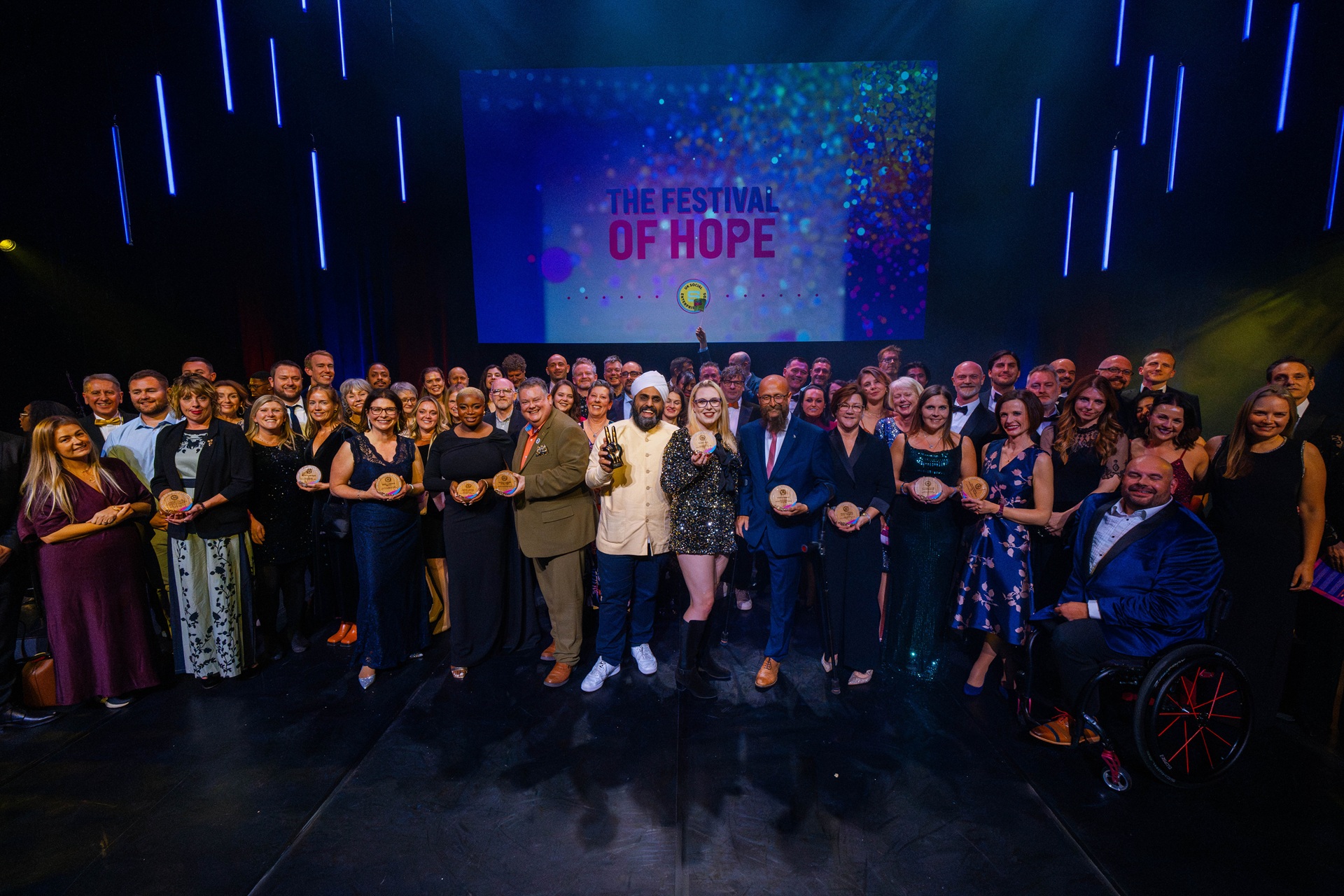
The winners of the UK Social Enterprise Awards were announced at the Queen Elizabeth Hall on London's Southbank on 26 November. The evening saw the venue transformed into a Festival of Hope celebrating the makers, the community builders, the job creators, the radicals, and the dreamers who make up the social enterprise movement.  Across 15 categories the Awards showcased the strength, breadth and dynamism of social enterprises across the UK UK Social Enterprise of the Year Sponsored by Keegan & Pennykid The overall award for a social enterprise that has a clear vision, excellence in impact, and that has demonstrated and promoted social enterprise beyond the sector. Change Please Change Please is an award-winning UK social enterprise that turns great coffee into a route out of homelessness. Founded in 2015, the organisation trains people experiencing homelessness as specialty-level baristas, pays them a Living Wage from day one, and provides housing, mental-health support and onward job placement. Profits from its cafés, wholesale supply to brands such as Google, Delta Air Lines and David Lloyd Clubs, and a global partnership with Nespresso fully fund the programme. Operating in fifteen countries, Change Please supports nearly 2,000 people a year, offsets its carbon footprint, and reinvests every surplus to expand impact worldwide. HIGHLY COMMENDED: BRAG Enterprises One to Watch Award Sponsored by PwC The One to Watch Award is for a start-up social enterprise. Key to winning this award is an ability to clearly articulate their future vision and how they are going to achieve it. EcoCoach CIC EcoCoach CIC is a mission-led social enterprise redefining how physical activity, inclusion, and wellbeing are delivered in schools and communities. Founded in 2024 by Matt Nelson, it provides trauma-informed PE, wraparound care, alternative provision, and inclusive sport programmes grounded in child-first coaching principles. With no reliance on grants, EcoCoach has grown through ethical trading and values-driven practice. Every session prioritises emotional safety, inclusion, and consistency — reaching children who are often excluded or overlooked. The organisation challenges outdated systems and leads by example, showing that real impact can be achieved through integrity, action, and a refusal to accept the status quo. HIGHLY COMMENDED: Forests with Impact Prove It: Social Impact Award Sponsored by Linklaters For a social enterprise that can truly demonstrate and communicate their impact with their stakeholders. Waste to Wonder Worldwide Waste to Wonder Worldwide is a UK-based social enterprise turning surplus office furniture into life-changing resources for schools and communities around the world. Operating the largest ethical reuse programme of its kind, the organisation has equipped over 1,500 schools in 44 countries while saving more than 1 million items from landfill. With a carbon-negative model and a mission rooted in dignity, opportunity, and sustainability, Waste to Wonder Worldwide empowers businesses to reduce waste, deliver ESG outcomes, and create real social impact, proving that when reuse is done right, it can change lives, communities and our shared future. HIGHLY COMMENDED: Turning Point ‘Buy Social’ Market Builder Award Sponsored by Corps Security For a social enterprise, public sector body or private sector organisation that has demonstrably made efforts within its own organisation and remit to create more opportunities to buy from social enterprises. CBRE Global Workplace Solutions CBRE Global Workplace Solutions supports clients through facilities and project management, advisory, and transaction services. Committed to advancing supplier diversity, CBRE has pledged to spend $3B globally with diverse and small businesses by 2025. In the UK, CBRE is a partner of the Buy Social Corporate Challenge, working in close partnership with Social Enterprise UK to increase spend with social enterprises, embed them into procurement categories, and promote their visibility through events and campaigns. Driving a 428% increase in spend with social enterprises in the last 5 years, CBRE is using its market influence to build a more inclusive, values-driven supply chain. Social Investment Deal of the Year Sponsored by Good Finance For an organisation that has been part of a great investment deal in the last 12 months that has helped the social enterprise to grow or the movement as a whole to develop and flourish. Wales Council for Voluntary Action – The Community Impact Initiative CIC and Tai Heulwen CIC WCVA as lender, brought together two social enterprises to reduce the barriers to starting a new childcare social business requiring property purchase, improvement works and capacity building revenue funding. The need for consents made property purchase high risk for childcare organisation (Tai Heulwen) alone, but was straightforward for the building enterprise (Community Impact Initiative). Bringing them together significantly reduced risk for both and for the lender who funded property purchase and improvement for Community Impact Initiative and revenue costs for Tai Heulwen. Public Services Social Enterprise of the Year Sponsored by GLL For a social enterprise for whom the majority of their income comes from the public sector and which delivers public services (for central or local government, NHS, criminal justice or other statutory body). Peninsula Dental Social Enterprise Peninsula Dental Social Enterprise is committed to improving oral health in the South West through provision of treatment, education and engagement. Working alongside the University of Plymouth Peninsula Dental school, treatment is provided by a combination of students, qualified dental professionals and a dedicated team of support staff. The clinics were established to tackle oral health inequalities, with a view of training dentists who may stay in the region once qualified, treating patients in the teaching clinics who may not otherwise have access to care, and providing and promoting oral health education in the communities served. HIGHLY COMMENDED: FCMS (NW) Consumer Facing Social Enterprise of the Year Sponsored by Expert Impact Speakers For a social enterprise that delivers a retail product or service to the general public. Zaytoun Zaytoun CIC is a social enterprise inspired by a love of Palestinian culture, communities and cuisine and a passion for sharing it with people in the UK. For twenty-one years the company has supported the resilience of Palestinian communities through fair trade – 100% of profits being reinvested into delivering this mission. Palestinian farmers have been cultivating their lands for thousands of years and continue to do so despite the challenges of farming under occupation in the West Bank. Zaytoun’s aim is to ensure this agricultural heritage continues as a viable and sustainable source of income now and for future generations. Education, Training & Jobs Social Enterprise of the Year Sponsored by Amazon Business For a social enterprise in the education, training or employment sectors that can demonstrate excellence in vision and strategic direction, and clearly evidence their social, environmental and community impact. Social Enterprise Kent CIC Social Enterprise Kent (SEK) is a dynamic community interest company transforming lives across Kent and Medway. Since 1985, SEK has empowered individuals, strengthened communities, and supported social enterprises to thrive. From innovative employability programmes and accredited training to health and wellbeing services, sector leadership, and pioneering initiatives like the AI Skills Accelerator and Social Impact Gateway, SEK creates measurable, lasting impact. Generating over £3 million annually, with profits reinvested into local communities and charities, SEK is a catalyst for social change. Every day, SEK shapes a better tomorrow through empowerment, opportunity, and collective action. Environmental Social Enterprise of the Year Sponsored by Landmarc For a social enterprise in the green and environmental sector with a clear evidenced environmental impact. The Skill Mill The Skill Mill is a social enterprise committed to creating life-changing opportunities for young people involved in the criminal justice system. It provides real-wage jobs in local environmental projects, alongside accredited training and personalised support. Focused on enabling young people to gain practical skills, confidence, and access to future employment, The Skill Mill delivers tangible community and environmental benefits. Operating across England, it partners with local authorities, employers, and youth justice services to ensure its work is locally responsive and nationally impactful. The organisation reinvests its income to support social inclusion, sustainability, and safer, stronger communities. HIGHLY COMMENDED: Seagulls Re-Use Ltd Social Enterprise Building Diversity, Inclusion, Equity & Justice Award Sponsored by Diversity Forum Social justice is fundamental to the social enterprise movement. This category is open to all social enterprises who are addressing issues around diversity, inclusion and equity. The Tax Academy CIC The Tax Academy provides tax support and tax education to those that lack the knowledge and expertise within prison to deal with their tax affairs including, but not exclusively, those with mental illness, learning difficulties, and post-traumatic stress disorder(‘PTSD’) including anxiety and depression as a result of drug and alcohol addictions. TTA is currently working with prisoners in all Welsh prisons and in particular running Tax Justice Hubs in HMP Prescoed and HMP Berwyn. HIGHLY COMMENDED: Signalise Co-op Social Enterprise Women’s Champion of the Year Sponsored by David Gold For a woman working in the senior leadership team of a social enterprise who represents excellence in her field of work. Hannah Oyewole – Young Ladies Club Hannah Oyewole is the founder and CEO of Young Ladies Club, and is a powerful advocate for Black and global majority women and girls. A survivor of abuse and adversity herself, Hannah leads with authenticity, offering mentoring, education, and emotional support to young women facing similar challenges. Her work tackles domestic abuse, inequality, and underrepresentation through practical programmes and national advocacy. Hannah’s leadership is changing lives and challenging systems, making her a trailblazer in social enterprise and women’s empowerment. International Impact Award Sponsored by Social Partnership Portal For a social enterprise working internationally, and which are having a big impact in their field. This award is open to UK-based organisations only with existing international operations. The Centre for Information Resilience CIC The Centre for Information Resilience (CIR) is an independent, non-profit social enterprise dedicated to exposing human rights abuses and war crimes, defending democracy from disinformation, and combating online harms, particularly those affecting women and minority communities. It delivers this through open-source and digital investigations (OSINT), media collaborations, strategic communications and skills-sharing and capacity-building programmes. CIR works in partnership with host country organisations and experts and provides a platform for at-risk organisations to publish their work through its Resilience Network. Headquartered in the UK, CIR operates a subsidiary office in Ukraine and delivers projects worldwide. HIGHLY COMMENDED: Change Please Community-Based Social Enterprise of the Year Sponsored by the Esmée Fairbairn Foundation This award is for a social enterprise that trades for the benefit of their community, making a real local impact. Tap Social Movement Tap Social Movement is an Oxford-based social enterprise brewery, bakery, and hospitality organisation that offers training and employment for people from prison. To date, it has created more than 100,000 hours of fairly paid employment for leavers, and today approximately one-third of its team across the company has lived experience with the UK’s criminal justice system. Tap Social was named “Consumer Facing Social Enterprise of the Year” at the UK Social Enterprise Awards 2024. HIGHLY COMMENDED: Social adVentures Social Enterprise Innovation of the Year Sponsored by Fusion21 An award recognising a social enterprise that has brought something truly innovative to market in the past year. City Health Care Partnership CIC City Health Care Partnership CIC (CHCP) is a co-owned public service mutual delivering high-quality healthcare services across Hull, the East Riding of Yorkshire, and Merseyside. Operating independently within the NHS, CHCP reinvests profits into enhancing services, workforce and communities. With compassion and respect at its core, CHCP boasts a 93% patient satisfaction rate and 78% employee recommendation rate. Offering over 50 diverse services, CHCP also supports community groups through its charity, the City Health Foundation. Guided by its values of service, excellence, equality, diversity, inclusion, creativity, innovation, and cooperation, CHCP is dedicated to improving outcomes for local communities and people. Tech for Good: Technology Social Enterprise of the Year Sponsored by Mitie For a social enterprise that uses technology to achieve social impact. Nimbus Disability Nimbus is a UK-based social enterprise, founded and led by disabled people, on a mission to transform how society understands and delivers accessibility. Through innovative technology, consultancy, and lived-experience expertise, Nimbus helps organisations become more inclusive while empowering disabled people to navigate the world with greater confidence and independence. Its flagship product, the Queen’s Award for Enterprise-winning Access Card, translates an individual’s access requirements into a set of easy-to-understand icons. Integrated with major venues and ticketing platforms, the Access Card enables businesses to instantly recognise and meet access needs - making inclusion smarter, simpler, and more consistent for everyone Awards Sponsors Southbank image courtesy of India Roper-Evans, others courtesy of the winning social enterprises

26 Nov

Continue reading

9 min

1 2 3 4 13 2 of 13