
Thought Leadership

Lorem ipsum dolor sit amet, consectetur adipiscing elit. Donec placerat, ipsum ac auctor ornare, nunc ligula scelerisque eros. Lorem ipsum dolor sit amet.

UK Social Enterprise Awards 2026

The categories

The categories for the UK Social Enterprise Awards have been created to reflect the diversity within the social enterprise community. More information, including detailed category criteria, can be found on the application portal. Please note that for most of these awards, social enterprises need to have been trading for at least two years with the exception of the One to Watch Award. CLICK HERE TO APPLY UK Social Enterprise of the Year The overall award for a social enterprise that has a clear vision, excellence in impact, and that has demonstrated and promoted social enterprise beyond the sector. One to Watch Award Sponsored by PwC The One to Watch Award is for a social enterprise that has been operating for less than 2 years as of April 2026. Key to winning this award is an ability to clearly articulate their future vision and how they are going to achieve it. Prove It: Social Impact Award For a social enterprise that can truly demonstrate and communicate their impact with their stakeholders. This award is not comparing the scale of different enterprises’ impact, but their measurement and reporting process. ‘Buy Social’ Market Builder Award For a social enterprise, public sector body or private sector organisation that has demonstrably made efforts within its own organisation and remit to create more opportunities to buy from social enterprises. This could be a local authority implementing a council-wide Social Value Act strategy, a company changing its procurement processes, or a social enterprise seeking to support the movement through buying social. Social Investment Deal of the Year This is the award to enter if you have been part of a great investment deal in the last 12 months that has helped a social enterprise to grow, create deeper impact for your community or the movement as a whole to develop and flourish. Both the investee and investor will be recognised. Public Services Social Enterprise of the Year Sponsored by GLL For a social enterprise for whom the majority of their income comes from the public sector and which delivers public services (for central or local government, NHS, criminal justice or other statutory body). Consumer Facing Social Enterprise of the Year For a social enterprise that delivers a retail product or service to the general public. Education, Training & Jobs Social Enterprise of the Year For a social enterprise in the education, training or employment sectors that can demonstrate excellence in vision and strategic direction, and clearly evidence their social, environmental and community impact. Environmental Social Enterprise of the Year For a social enterprise in the green and environmental sector with a clear evidenced environmental impact. Social Enterprise Building Diversity, Inclusion, Equity & Justice Award Social justice is fundamental to the social enterprise movement. This category is open to all social enterprises who are addressing issues around diversity, inclusion and equity. Social Enterprise Women’s Champion of the Year For a woman working in the senior leadership team of a social enterprise who represents excellence in her field of work. International Impact Award For a social enterprise working internationally, and which are having a big impact in their field. This award is open to UK-based organisations only with existing international operations. Community-Based Social Enterprise of the Year Social enterprises are powerful actors in shaping local places and communities. Be it operating in remote rural communities or supporting in inner cities, this category is open to social enterprises that are locally rooted, trading for the benefit of their local community/place, accountable to their local community/place, and making local impact. Social Enterprise Technology or Innovation of the Year Sponsored by Fusion21 Social enterprises are more innovative than mainstream businesses – nearly three times as likely to have developed a new product or service in the past year than their mainstream business equivalents. This award open to social enterprises using new technology or bringing something innovative to the market in the past year. Co-op of the Year A new category this year, Co-op of the Year will recognise a co-operative of any size, model or type that best demonstrates a sustainable and successful business model, underpinned by the values and principles of co-operation.  The UK Social Enterprise Awards are co-produced by Social Enterprise UK and Co-operatives UK

12 Jun

Continue reading

3 min

News and views

Nearly 8,000 jobs created through the Buy Corporate Challenge

Corporate spending by our Buy Social Corporate Challenge partners on goods and services supplied by social enterprises has now created nearly 8,000 jobs, according to the latest annual report looking at the impact of the programme. The Challenge, our flagship social procurement programme, is working with a group of 36 high-profile businesses with the aim of collectively spending £1 billion with social enterprise through their supply chains. In total, £864 million has been spent by corporate partners with social enterprise suppliers between 2016 and 2025, with £209 million being spent in the last year alone. If this trend continues, we are well on our way to hitting that ambitious £1 billion target! Since launching in 2016, more than 2,500 social enterprises have supplied services ranging from healthcare and facilities management to IT and catering.  Many of the jobs created have gone to people who faced barriers in finding work, including those who have a disability, have experienced homelessness, or been through the justice system.  “We’re hearing a lot in the news currently about the number of people out of work. Social enterprises have expertise in delivering the goods and services that private sector clients need while also supporting those most in need of a job into employment,” said Andy Daly, Head of Corporate Partnerships at Social Enterprise UK. “As well as proving that it’s easy for big business to have a positive social impact, 65% of the Buy Social Corporate Challenge partners also told us that working with social enterprise suppliers has helped them win new business.” Surveyed corporate partners also reported that sourcing from social enterprises supported their values and purpose, brought innovation into their supply chain and improved their environmental sustainability. Read the full Buy Social Corporate Challenge annual report here. Companies and social enterprises interested in joining the Buy Social Corporate Challenge can contact socialprocurement@socialenterprise.org.uk

11 Jun

Continue reading

2 min

News and views

Manchester to host UK Social Enterprise Awards for first time

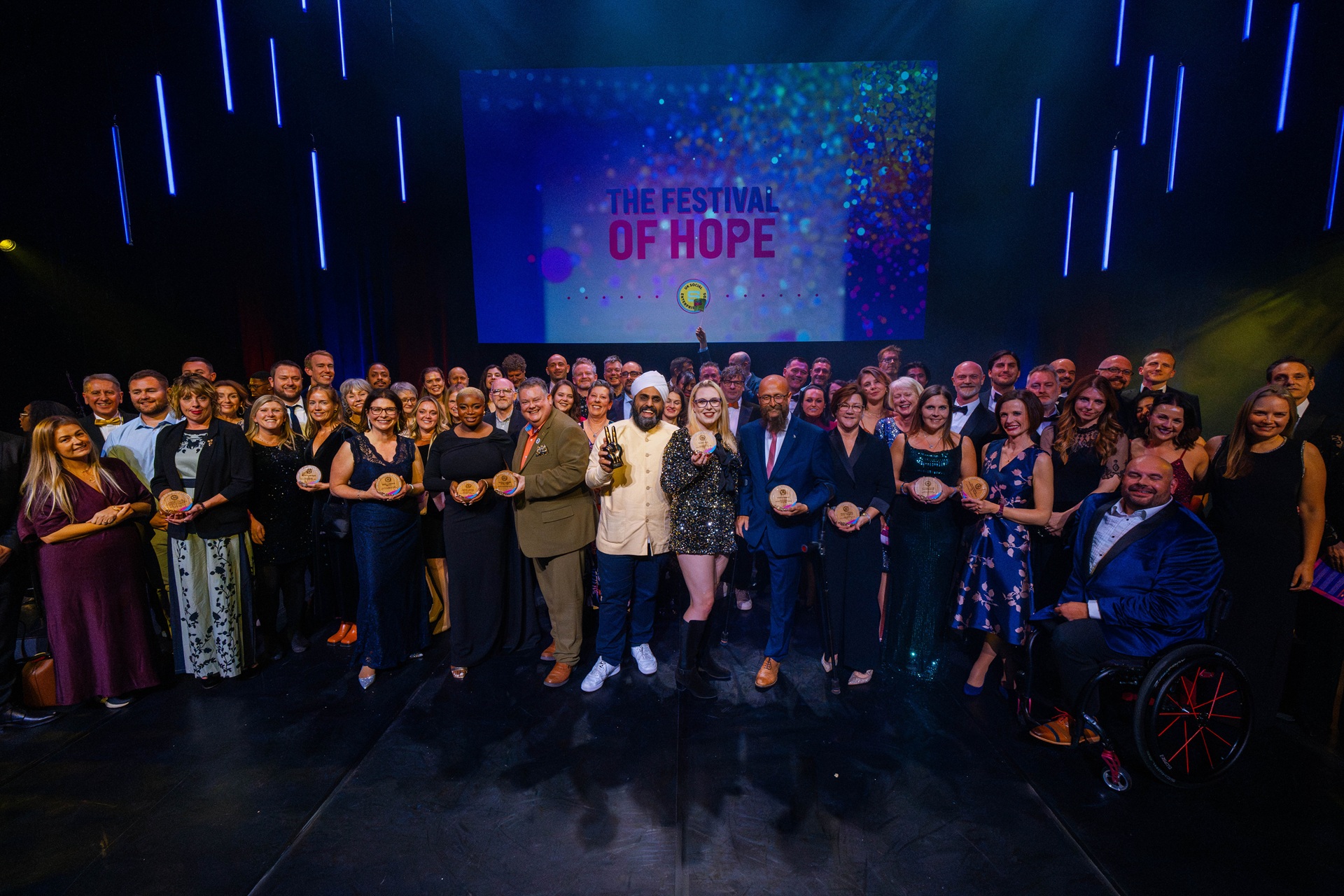
The UK’s biggest celebration of businesses with a social or environmental purpose is moving to Manchester. The UK Social Enterprise Awards will take place on 12th November 2026 at New Century Hall in the city’s co-operative quarter, the first time the awards have taken place outside London. New Century Hall was originally the headquarters of the Cooperative Wholesale Society, a collective of around 300 cooperatives. The roots of the Society can be traced back to the Rochdale Pioneers, a group of workers who sold food at fair prices and shared profits among members. During the 1960s the hall hosted concerts by Jimi Hendrix and the Rolling Stones, and was also a mainstay party venue during the city’s MADchester era. The event will be co-produced by Cooperatives UK and Social Enterprise UK for the first time. Rose Marley, CEO of Co-operatives UK, said: "Greater Manchester is the perfect place to celebrate businesses that put people and purpose first. Co-operatives are owned by their members, rooted in their communities and built to share power, opportunity and impact. These are values we share with the wider social enterprise movement, so we’re proud to be working with Social Enterprise UK to bring the awards to Manchester.”  "When I think of the term 'northern powerhouse', I instantly think of the great city of Manchester. I'm delighted that we'll be working with Co-operatives UK to bring this joyful event to the birthplace of the first businesses specifically set up to benefit communities," said Lord Victor Adebowale, Chair of Social Enterprise UK.  Following on from last year’s ‘Festival of Hope’, this year’s theme will be ‘All Together Now’. The awards recognise sector excellence in social enterprises of all sizes across a range of 15 categories, from innovation to impact. Amongst last year’s winners were Social Enterprise of the Year Change Please, a coffee company using profits to tackle homelessness, and ‘One to watch’ winners EcoCoach CIC, which provides inclusive PE and sports coaching for schools. More information about applications and tickets will be announced soon on social media channels. For now, enjoy the launch video below!

13 May

Continue reading

2 min

Member updates

Tap Social Movement adds former CEOs of Asahi Europe & International and Punch Taverns to senior advisory roles

Multi award-winning Oxford social enterprise brewery, bakery, and hospitality organisation Tap Social Movement appoints former Asahi Europe & International CEO Paolo Lanzarotti and former Punch Taverns CEO Giles Thorley to senior advisory roles as the company embarks on its next key growth stage and seeks to expand its impact on the lives of prison leavers. Lanzarotti brings extensive experience in the beer and brewing industry, with a particular focus on sustainably accelerating growth and scaling brewery operations while maintaining quality and consistency. At Asahi Europe & International Lanzarotti oversaw a group with 20 breweries and production facilities distributing across eight domestic markets and more than 80 internationally. He previously held a number of country Managing Director roles at SABMiller. Lanzarotti says: “For a number of years, I’ve admired how Tap Social have built a business balancing the delivery of growth in numbers alongside having a positive impact on people in prison and prison leavers. Now I’m excited to be part of the journey that will see this business having economic and social impact at greater scale. And the beer is pretty good too!” Currently CEO of Development Bank of Wales, Thorley joins Tap Social with nine years of hospitality management experience with Punch Taverns, which under his leadership became one of the largest pub groups in the UK. In both 2007 and 2008 Thorley earned the top spot in the annual “Top 50 Most Influential People in the Pub Trade” list. Thorley has a proven track record in backing exciting early-stage businesses in the hospitality, leisure and consumer goods sectors, including as an initial backer of Deliveroo. Thorley says: “Tap Social is a fantastic business that combines a great multi-function business model with a strong ethical stance – a model that encompasses a hugely innovative brewery, an award winning bakery, unique retail spaces, entertainment, and a principled brand.  Whether it is the support for the rehabilitation of offenders or sourcing of sustainable products and a focus on local suppliers, the Tap Social Movement is one to join and one that I am excited to support.” As senior advisors, backers Lanzarotti and Thorley will help strategically guide the scale and direction of Tap Social’s expansion into new markets. A recipient of two Great Taste 2025 awards for Time Better Spent (5.1% Juicy IPA – 2 Stars) and Jobsworth (3.4% Session Pale Ale – 1 Star), Tap Social distributes select beers to more than 240 Waitrose & Partners supermarkets in the UK. Tap Social currently runs three Oxfordshire community venues, including its award-winning wholesale bakery and café Proof Social Bakehouse. Later this year it opens Day Release, a purpose-built café, bar, bakery, and community venue at Milton Park, the UK’s largest science, business, and technology hub, as well as additional outlets later this year.  To date Tap Social has created more than 112,000 hours of paid employment for people in prison and prison leavers. It was named the UK’s “Consumer-Facing Social Enterprise of the Year” in 2024, and is currently the “Community-Based Social Enterprise of the Year.” Learn more about Tap Social Movement and its mission to reduce reoffending and turn lives around at tapsocialmovement.com. About Tap Social Movement With a shared passion for social justice and independent beer, Paul Humpherson and sisters Amy and Tess Taylor founded Tap Social Movement in 2016 to provide support, training, and fulfilling employment to people who have had contact with the criminal justice system. In addition to its commercial production brewery, Tap Social currently runs four community venues across Oxfordshire, including its bakery Proof Social Bakehouse and Day Release, its newest location opening in mid-2026 at Milton Park. It brews a range of modern, accessible beer highlighted by its award-winning core range, which includes its best-selling Juicy IPA Time Better Spent.

06 May

Continue reading

3 min

Social Procurement Case Studies

Generating social value through construction and manufacturing – Nuneaton Signs and Wates

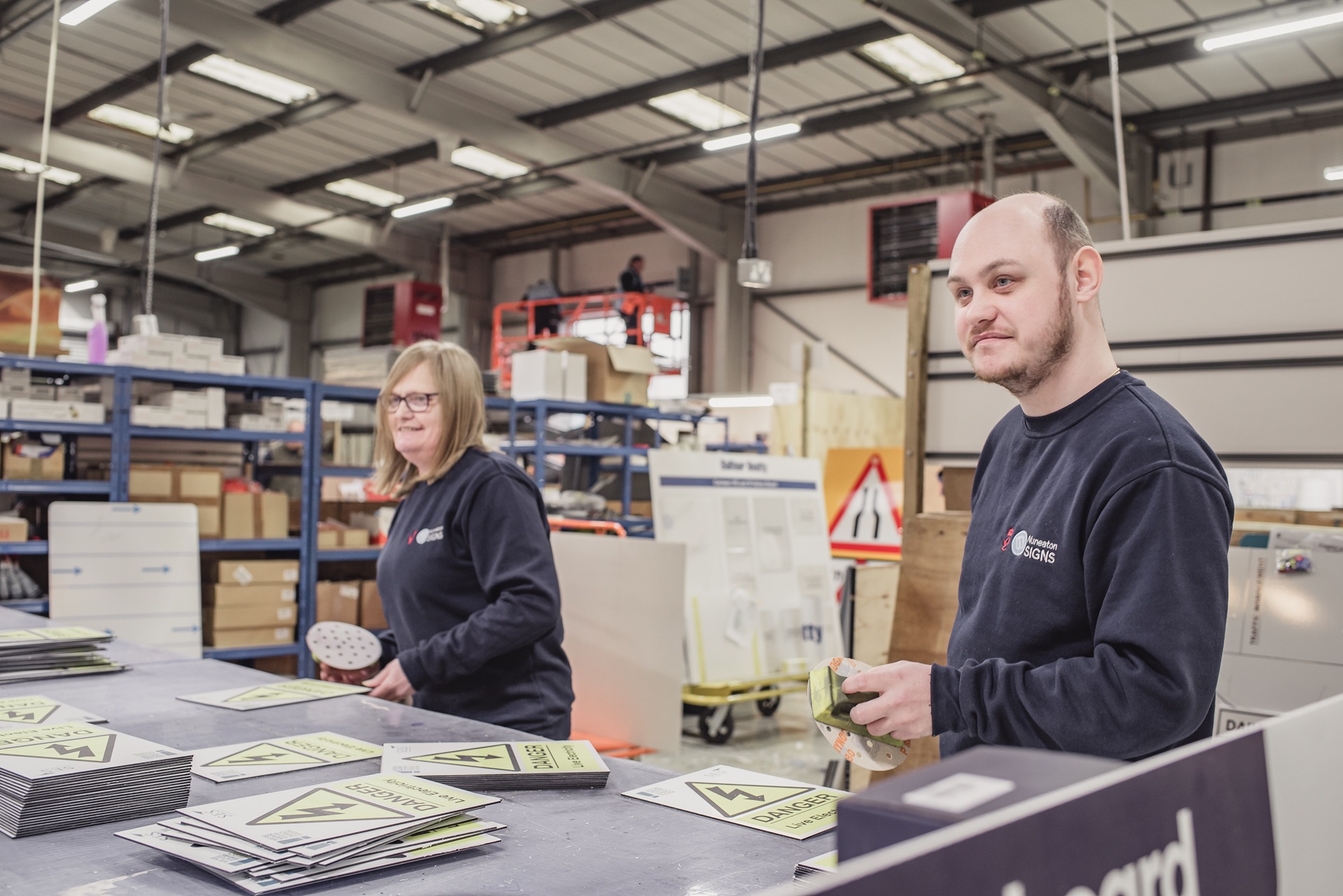
Nuneaton Signs has been manufacturing signs for Wates Group since 2018. The partnership has enabled the business to grow and sustain their mission of providing meaningful employment and training opportunities for people with disabilities. Nuneaton Signs Nuneaton Signs is a social enterprise which provides employment and training for people with disabilities through the manufacture and sales of signs. The company has been running for over 40 years, having been set up in 1982, and has grown to be one of the UK’s leading signage manufacturers. 100% of its profits are reinvested back into the business to create more impact.   The partnership with Wates Since 2018, Nuneaton Signs has been working with Buy Social Corporate Challenge founding partner, Wates, delivering on projects across the country. Wates is the UK’s leading family-owned development, building and property maintenance company and supporting and scaling the social enterprise sector is at the heart of their social value delivery. After initially meeting at a networking event, the two businesses have developed a strong partnership, with contracts from Wates unlocking more opportunities for innovation and impact at the social enterprise.   “The impact of the partnership is a well-established relationship that delivers goods Wates would be purchasing, but with additional social value. Supporting the social enterprise sector and facilitating employment for those furthest from the workforce aligns with our purpose to reimagine places for people to thrive.”  - Su Pickerill, Head of Social Value, Wates Group The impact As Nuneaton Signs reinvests 100% of its surplus back into its core purpose, having consistent work is essential. Thanks to Wates’ partnership over the past years, the organisation has been able to support more individuals into meaningful employment than ever before. It now employs 89 people, 74% of whom have a disability, learning disability, life-impacting medical condition, or mental health condition. The regular work provided by Wates has been a major contributing factor to this success. Beyond buying commercial services, Wates has also supported Nuneaton Signs through participation in its ASSETS programme, a seven-month business support programme for social enterprises in the construction industry, which has helped grow skills and develop the business.  “Wates was one of the first construction companies that supported us and truly believed in our capabilities. From our first order with Wates to the present day, our turnover has trebled, we have employed a further 30 persons with disabilities and have opened a second manufacturing facility.”  - Becky Anderson, Commercial Sales Manager, Nuneaton Signs Additionally, Nuneaton Signs was able to increase their positive environmental impact. The social enterprise has grown and adapted to meet the environmental challenges faced by its customers, developing a 100% PVC-free, fully recyclable material range used by Wates, as well as materials made entirely from recycled content for environmentally focused projects. Its partnership with Wates has helped ensure it remains at the forefront of sustainability within an industry that can often be wasteful. nuneatonsigns.co.uk  wates.co.uk 

06 May

Continue reading

2 min

News and views

How social enterprise can help fix a broken housing system 

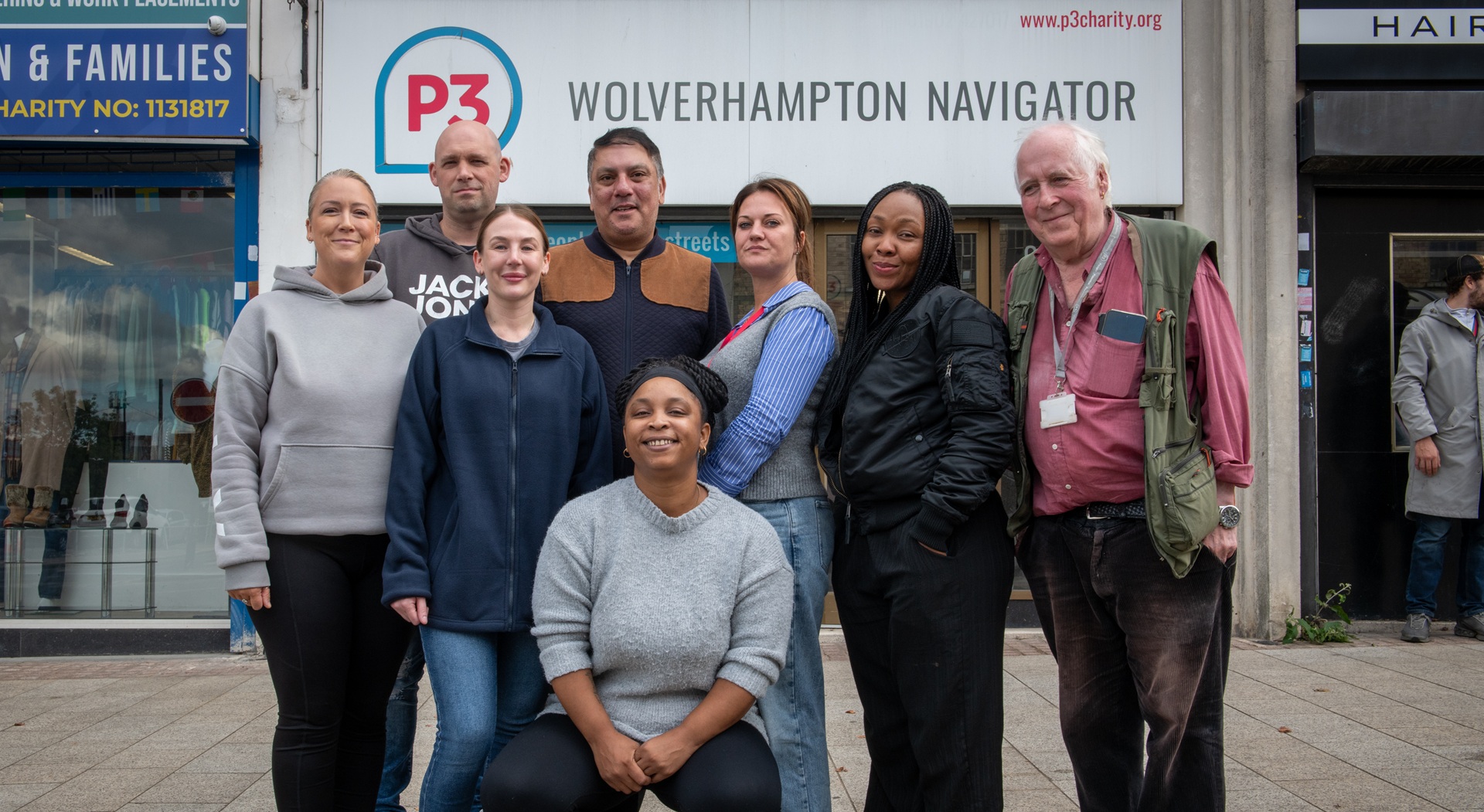
With a record number of children homeless in the UK, social enterprise leaders met with government to explain the barriers making it hard to reduce this number – and the solutions that work.   "The housing system is broken." That was the blunt opening from Richard Kennedy, co-founder of Cornerstone Place, at the fourth evidence session of the Social, Cooperative and Community Economy All-Party Parliamentary Group. Chaired by Patrick Hurley MP, the session brought together social enterprise leaders from Cornerstone Place, the National House Project, Change Please, Connection Crew, P3, and Beam, which are all working on the frontline of the UK's housing crisis every single day.  With 176,130 children currently living in temporary accommodation in England, according to the most recent figures from the Ministry of Housing, Communities and Local Government (October–December 2025), Kennedy's assessment was hard to argue with. "I'm sure everyone would agree that that is almost unforgivable in a first world country," he said.  The human cost of a broken system  Mark Simms, Chief Executive of P3, framed the stakes plainly. "People need time to recover from trauma, rebuild their relationships or move forward into work and independence. But without somewhere to live, that's almost impossible. Fragmented short-term housing solutions don't really ever deliver that."  Simms traced the crisis to decades of policy failure. Right to Buy, he argued, had "decimated the social housing stock and made a famine of it." Councils are now spending billions on temporary accommodation, and the businesses profiting from that misery are celebrated rather than challenged, he said. "This profit from misery model just simply has to change." Aside from charities, the biggest provider of temporary accommodation in the UK is hotel chain Travelodge.  Tori Campbell, strategic lead for UK partnerships at Beam and a former Head of Transformation at Cambridge City Council, warned that the system has become dangerously dehumanising. "We're looking at the homelessness system and lots of local authorities are seeing these people as numbers that need to be moved through it. What we need to do is put humans back in the middle of this. How can we do that in a space where budgets are continuing to be cut?"  The trap of temporary accommodation  Patrick Hurley MP offered a vivid illustration from his Lancashire coast constituency. Coastal towns like Southport, Blackpool and Morecambe have an oversupply of B&Bs, and local authorities (particularly those in London) routinely place homeless individuals and families there. What was once a six-week measure has, in the wake of austerity, stretched to two and a half years. By that point, people have put down roots - found a partner, a community, sometimes a drug habit - and when a property becomes available back home, many refuse it. The problem is then passed to the seaside town's already stretched services.  Simms had a concrete example of exactly the kind of upstream intervention that could break this cycle. P3 took on 50 empty flats in Coventry that was previously accommodation for older people. P3 refurbished them, and filled them with families previously housed in B&Bs and budget hotels within two days of opening. The project worked. What didn't work was getting paid. It took nearly seven months for the local authority to process rent payments, leaving P3 carrying 50 rents, 17 staff wages and a housing association lease. "If we were smaller, that cash flow issue could have literally drowned us." The loss to their bottom line: £280,000.  A system working against itself  The session's most searching conversation concerned the perversity baked into commissioning systems. Simms described commissioners funding support, employment and accommodation through entirely separate streams, with no single commissioner responsible for all three. The result is that organisations are sometimes pressured to move people on before they are ready, and the moment a resident gets a job, they can lose all their housing benefit on the same day. "There's a conflict built into the commissioning system," he said. "So there's perversion in the system rather than cohesion."  Procurement was identified as an equally stubborn barrier. Kennedy described presenting solutions to local authorities only to be met with framework demands and bureaucratic checks that cause complex proposals to "wither on the vine." Campbell called for a shift to outcomes-led commissioning and suggested piloting more latitude for direct awards to social enterprises in a group of councils.  What needs to change  By the session's close, clear policy asks had emerged. Kennedy called for procurement reform, community asset lock by default for any housing built with public money, and cheaper, more patient capital from institutions like Homes England or the UK Infrastructure Bank. Simms made the bigger picture case: the government's pledge to deliver 1.5 million new homes must be honoured. "You can't be homeless if you've got somewhere to live. It will literally save you billions and transform the lives of millions."  As Warren Rogers of Connection Crew put it, every organisation in the room would happily trade itself out of existence if the problem were solved. That instinct - to end the industry of homelessness rather than build on it - is what makes the social enterprise sector different. Whether government is ready to match that ambition is the question the APPG report, due in June, will need to answer.  Photo shows P3's Wolverhampton Homeless Services which provides safe, temporary accommodation along with advice and support for people aged 18 and over in Wolverhampton who are at risk of or experiencing homelessness.

06 May

Continue reading

5 min

News and views

What does ‘good growth’ look like?

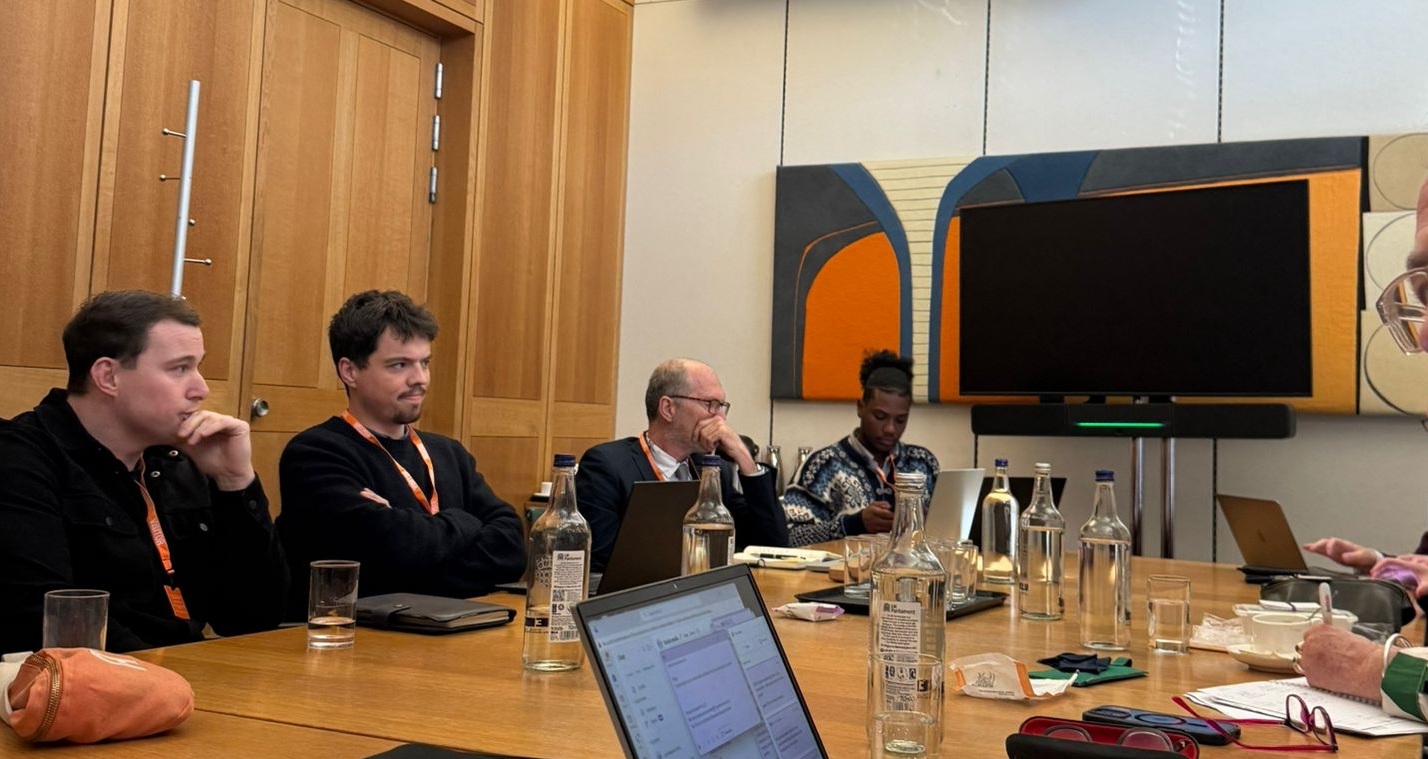
The Social, Cooperative and Community Economy All-Party Parliamentary Group (APPG) convened last week to hear from social enterprise leaders on the government's defining mission: growth. They made the case that growth without community at its heart is growth that fails most people. Growth has been the buzzword of the Labour government since it was elected, but there's a stark difference between growth that widens inequality and 'good growth' that delivers better living standards for everyone. Social enterprise leaders came to Westminster to tell Patrick Hurley MP that their sector is not just part of the answer; it is often ahead of where government policy currently sits. The social enterprise economy in action Gareth Hart, Director of the Plymouth Social Enterprise Network, offered some striking numbers. Plymouth is home to 250 social enterprises, representing 10,000 jobs and around £650 million a year, roughly 20% of the local economy. The city has catalysed £15 million of social investment, seen measurable improvements in the Index of Multiple Deprivation, and been recognised by PwC as one of the best cities for living and working. But Hart was equally clear about what is still needed: access to finance, advice and training, markets, and much better support with impact reporting. The social enterprise infrastructure, he warned, is fragile and needs sustained investment and better policy at both local and national level. More than GDP One of the meeting's most striking statements came from Social Enterprise Coalition Group CEO Peter Holbrook, who challenged the very framing of growth as a measure of national progress. Pointing to the Joint Intelligence Committee's 2026 report on threats including water scarcity, conflict and migration, he argued that social enterprises don't just deliver growth: they deliver security and resilience. Decentralised, community-rooted organisations, he said, have proven their capacity to adapt in a crisis, as COVID made plain. "Social enterprises aren't just delivering resilience and security and growth," said Holbrook, "they're also creating opportunities for communities to come together, build relationships and become self-determining." A narrow focus on GDP figures, he warned, obscures the full value of what the sector contributes. Liverpool's blueprint Jennifer Van der Merwe, Executive Director of Kindred in the Liverpool City Region (and now also seconded as a Place Advisor to the Office for the Impact Economy) described a model others might learn from. Liverpool's ten-year local growth plan has inclusive growth at its core, she told the room. Kindred is scaling its social investment from £6.5 million to around £50 million, working with eight infrastructure organisations across the city region. Since 2020, its membership of socially trading organisations has grown from 150 to 1,600. Central to the approach is the concept of social and financial innovation zones — placing social economy thinking at the heart of industrial clusters in sectors like advanced manufacturing and health sciences that wouldn't traditionally associate themselves with social enterprise. As Van der Merwe put it: "You're either a social business or you're an antisocial business. It's not what your governance structure is; what are your behaviours?" What's blocking progress Duncan Howard of ECT Charity put his finger on a persistent frustration: the Social Value Act is not being followed by local authorities. ECT moves people where the market won't, getting children to school and older people into town, connecting communities. That social value isn't being factored into contracting decisions, leaving community transport operators to deliver subsidised services ... but without any subsidy. Community asset transfer was another flashpoint. Birgit Kehrer of ChangeKitchen CIC in Birmingham described the local picture as a near-failure with the responsible part of the council near enough blocking transfers, and assets being sold off to developers for a fraction of their value.  Central government, the room agreed, needs to issue clear guidance and hold local authorities to account. What needs to happen Several concrete proposals emerged. Van der Merwe called for capital to be redesigned and devolved to place. Kehrer argued for longer-term funding settlements and better support for apprenticeships within social enterprises. Holbrook suggested aligning local authority pension fund incentives with local investment opportunities, and asked government to match the sector's ambition in its own language and leadership. Gareth Hart's suggestion drew immediate recognition from the chair: social enterprise economic development zones, where CIC startups receive corporation tax exemptions and business rate relief, and CICs are brought into line with charities for policy purposes. "There are no new ideas under the sun," Patrick Hurley acknowledged, citing a twenty-year-old pamphlet he still had on social enterprise zones. "But it's a good idea. We should do it." The Social, Cooperative and Community Economy holds regular evidence sessions with practitioners, investors and policymakers.

29 Apr

Continue reading

4 min

1 2 3 54 1 of 54