
News and views
How social enterprise can help fix a broken housing system
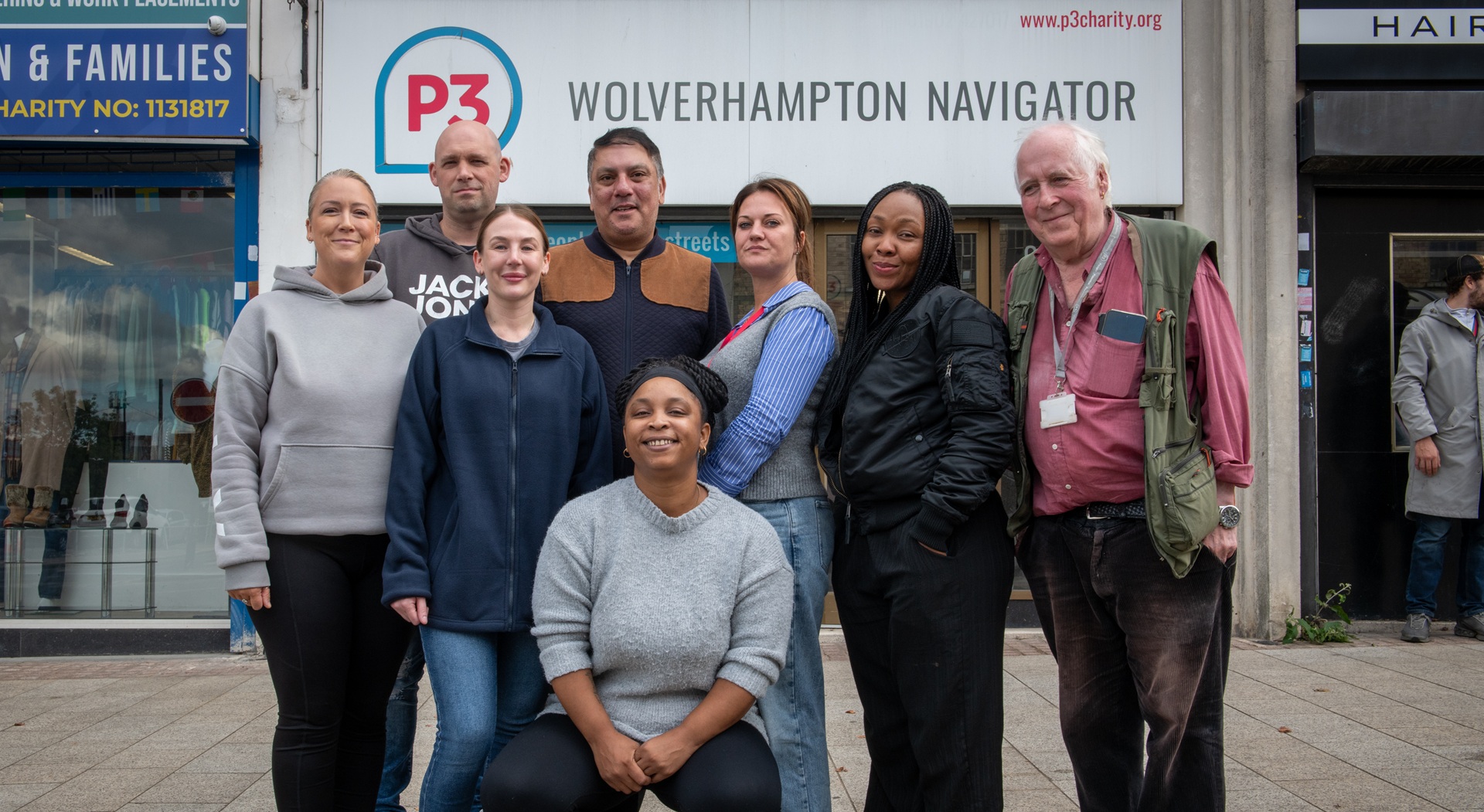
With a record number of children homeless in the UK, social enterprise leaders met with government to explain the barriers making it hard to reduce this number – and the solutions that work.
“The housing system is broken.” That was the blunt opening from Richard Kennedy, co-founder of Cornerstone Place, at the fourth evidence session of the Social, Cooperative and Community Economy All-Party Parliamentary Group. Chaired by Patrick Hurley MP, the session brought together social enterprise leaders from Cornerstone Place, the National House Project, Change Please, Connection Crew, P3, and Beam, which are all working on the frontline of the UK’s housing crisis every single day.
With 176,130 children currently living in temporary accommodation in England, according to the most recent figures from the Ministry of Housing, Communities and Local Government (October–December 2025), Kennedy’s assessment was hard to argue with. “I’m sure everyone would agree that that is almost unforgivable in a first world country,” he said.
The human cost of a broken system
Mark Simms, Chief Executive of P3, framed the stakes plainly. “People need time to recover from trauma, rebuild their relationships or move forward into work and independence. But without somewhere to live, that’s almost impossible. Fragmented short-term housing solutions don’t really ever deliver that.”
Simms traced the crisis to decades of policy failure. Right to Buy, he argued, had “decimated the social housing stock and made a famine of it.” Councils are now spending billions on temporary accommodation, and the businesses profiting from that misery are celebrated rather than challenged, he said. “This profit from misery model just simply has to change.” Aside from charities, the biggest provider of temporary accommodation in the UK is hotel chain Travelodge.
Tori Campbell, strategic lead for UK partnerships at Beam and a former Head of Transformation at Cambridge City Council, warned that the system has become dangerously dehumanising. “We’re looking at the homelessness system and lots of local authorities are seeing these people as numbers that need to be moved through it. What we need to do is put humans back in the middle of this. How can we do that in a space where budgets are continuing to be cut?”
The trap of temporary accommodation
Patrick Hurley MP offered a vivid illustration from his Lancashire coast constituency. Coastal towns like Southport, Blackpool and Morecambe have an oversupply of B&Bs, and local authorities (particularly those in London) routinely place homeless individuals and families there. What was once a six-week measure has, in the wake of austerity, stretched to two and a half years. By that point, people have put down roots – found a partner, a community, sometimes a drug habit – and when a property becomes available back home, many refuse it. The problem is then passed to the seaside town’s already stretched services.
Simms had a concrete example of exactly the kind of upstream intervention that could break this cycle. P3 took on 50 empty flats in Coventry that was previously accommodation for older people. P3 refurbished them, and filled them with families previously housed in B&Bs and budget hotels within two days of opening. The project worked. What didn’t work was getting paid. It took nearly seven months for the local authority to process rent payments, leaving P3 carrying 50 rents, 17 staff wages and a housing association lease. “If we were smaller, that cash flow issue could have literally drowned us.” The loss to their bottom line: £280,000.
A system working against itself
The session’s most searching conversation concerned the perversity baked into commissioning systems. Simms described commissioners funding support, employment and accommodation through entirely separate streams, with no single commissioner responsible for all three. The result is that organisations are sometimes pressured to move people on before they are ready, and the moment a resident gets a job, they can lose all their housing benefit on the same day. “There’s a conflict built into the commissioning system,” he said. “So there’s perversion in the system rather than cohesion.”
Procurement was identified as an equally stubborn barrier. Kennedy described presenting solutions to local authorities only to be met with framework demands and bureaucratic checks that cause complex proposals to “wither on the vine.” Campbell called for a shift to outcomes-led commissioning and suggested piloting more latitude for direct awards to social enterprises in a group of councils.
What needs to change
By the session’s close, clear policy asks had emerged. Kennedy called for procurement reform, community asset lock by default for any housing built with public money, and cheaper, more patient capital from institutions like Homes England or the UK Infrastructure Bank. Simms made the bigger picture case: the government’s pledge to deliver 1.5 million new homes must be honoured. “You can’t be homeless if you’ve got somewhere to live. It will literally save you billions and transform the lives of millions.”
As Warren Rogers of Connection Crew put it, every organisation in the room would happily trade itself out of existence if the problem were solved. That instinct – to end the industry of homelessness rather than build on it – is what makes the social enterprise sector different. Whether government is ready to match that ambition is the question the APPG report, due in June, will need to answer.
Photo shows P3’s Wolverhampton Homeless Services which provides safe, temporary accommodation along with advice and support for people aged 18 and over in Wolverhampton who are at risk of or experiencing homelessness.