News and views
How simple changes can help big business to tackle climate change
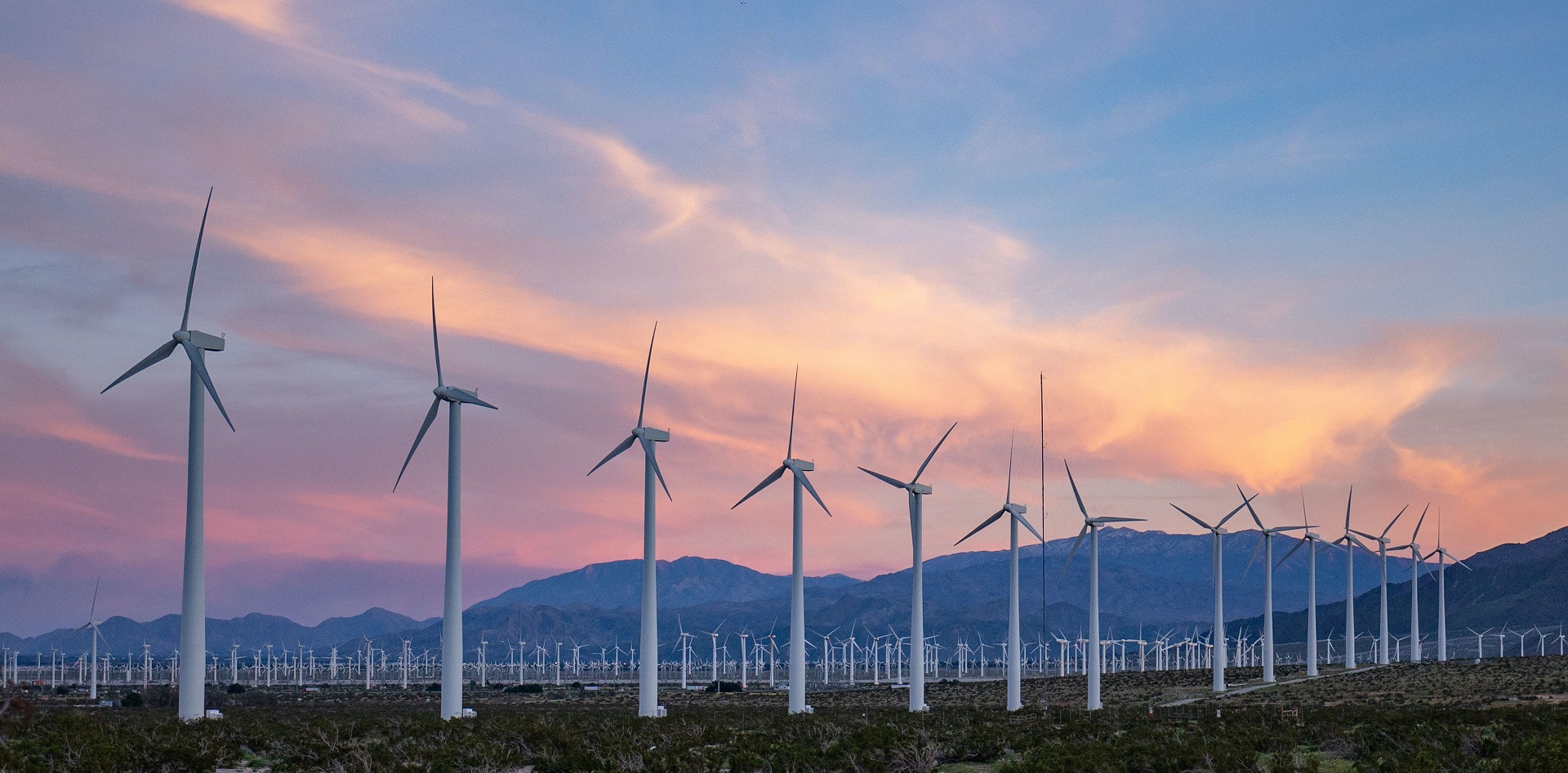
Measuring the emissions of supply chains is complex and time-consuming, writes Andy Daly, Head of Procurement Programmes at SEUK. But simple changes can help give the climate the urgent action it needs now.
If you’ve been thinking more about the environment and climate change recently, we’re not surprised. With lawns, parks and fields the colour of straw and drought declared, the hottest summer on record has vividly illustrated how future seasons might feel. The UK Prime Minister has chaired emergency Cobra meetings in response to extreme heat, which brings into sharp focus that climate action is needed more urgently than ever.
Along with government and citizens, the push to reach Net Zero needs business to step up to the challenge. It’s under-reported that Net Zero strategy sits with two government departments: the Department for Business, Energy & Industrial Strategy (BEIS), as well as the Department for Energy Security and Net Zero (DESNZ).
For the private sector, Scope 1 and 2 emissions (internal emissions within a company’s direct operational control) are crucial in effecting change, but holistic climate action can only come when a company looks to its supply chain and focuses on measuring and reducing Scope 3 emissions (indirect emissions across the company’s value chain).
For businesses, there is a tension between measuring and reducing Scope 3 emissions. As data ultimately drives change, measuring is important. However, it is also difficult and time-consuming, requiring the administration of supplier surveys, self-certification, benchmark estimation or a combination of all of the above.
Unfortunately, measurement can become an end in itself, pulling resources away from activities which actually reduce emissions. To do that, companies need to take decisions even when the data is imperfect. They need to change purchasing behaviours, product/service specifications, and suppliers.
How social enterprises can help
Aggregate-level data for categories or business types can be useful in this context, and our research shows that about one in six social enterprises has a core mission addressing the climate emergency. We define social enterprises as businesses which trade for a social or environmental purpose, and many of them are already leading the way in helping businesses hit their Net Zero targets. If businesses are serious about actually moving the dial on carbon emissions in their supply chain, which social enterprise suppliers should they be engaging with?
Opportunities are often closer to hand than businesses realise, and sometimes as unglamorous as the contents of a supply cupboard. Take the handwash in your bathrooms: Amplify Goods transforms this everyday essential into a low-carbon alternative, cutting emissions by 83% compared to conventional soap, while helping clients track and assess their savings along the way.
Toilet paper is a less obvious target, but Serious Tissues makes the case for it too as a business founded on the startling fact that a million trees are felled every day just to make the stuff. Its planet-friendly toilet paper, laundry sheets and hygiene essentials are built for facilities managers and businesses that want a straightforward switch, with impact measurement handled for them rather than left as another task on the to-do list.
The same logic extends to the promotional items that make up part of many marketing budgets. Eco Everyday helps organisations tackle their climate impact here too, providing ethical and sustainable promotional products and bespoke design work in place of the usual throwaway freebies.
In the built environment, waste management is a particularly rich opportunity area. Oxford Wood Recycling works with businesses of all sizes across Oxfordshire, including large private sector companies, to collect waste wood and divert it into reuse or recycling routes such as biomass fuel, saving tonnes of CO2 in the process. And it’s not just about what happens to waste today: Class Of Your Own is shaping the workforce of tomorrow, working with the same sector to educate young people on sustainability, net zero, biodiversity, carbon literacy and responsible design.
Climate action doesn’t have to stop at the office door, either. Mobilityways works with large employers to decarbonise something most businesses overlook entirely: the daily commute. They do it through an innovative climate-tech solution that contributes to real reductions in CO2 and air pollution.
What unites these examples is that, as well as directly reducing their clients’ carbon footprint, social enterprises can act as catalysts for more innovative, transformative change, going above and beyond minimum standards and pushing the boundaries of what’s possible on climate action.
Social Enterprise UK supports a wide range of businesses to leverage their everyday business spend for social and environmental benefit through programmes such as the Buy Social Corporate Challenge. To discuss how this could work for your business, contact us on socialprocurement@socialenterprise.org.uk. You can also browse a range of different social enterprises you could partner with in our Social Enterprise Directory.