
News and views
How the Growth Fund plugged the finance gap for social enterprises
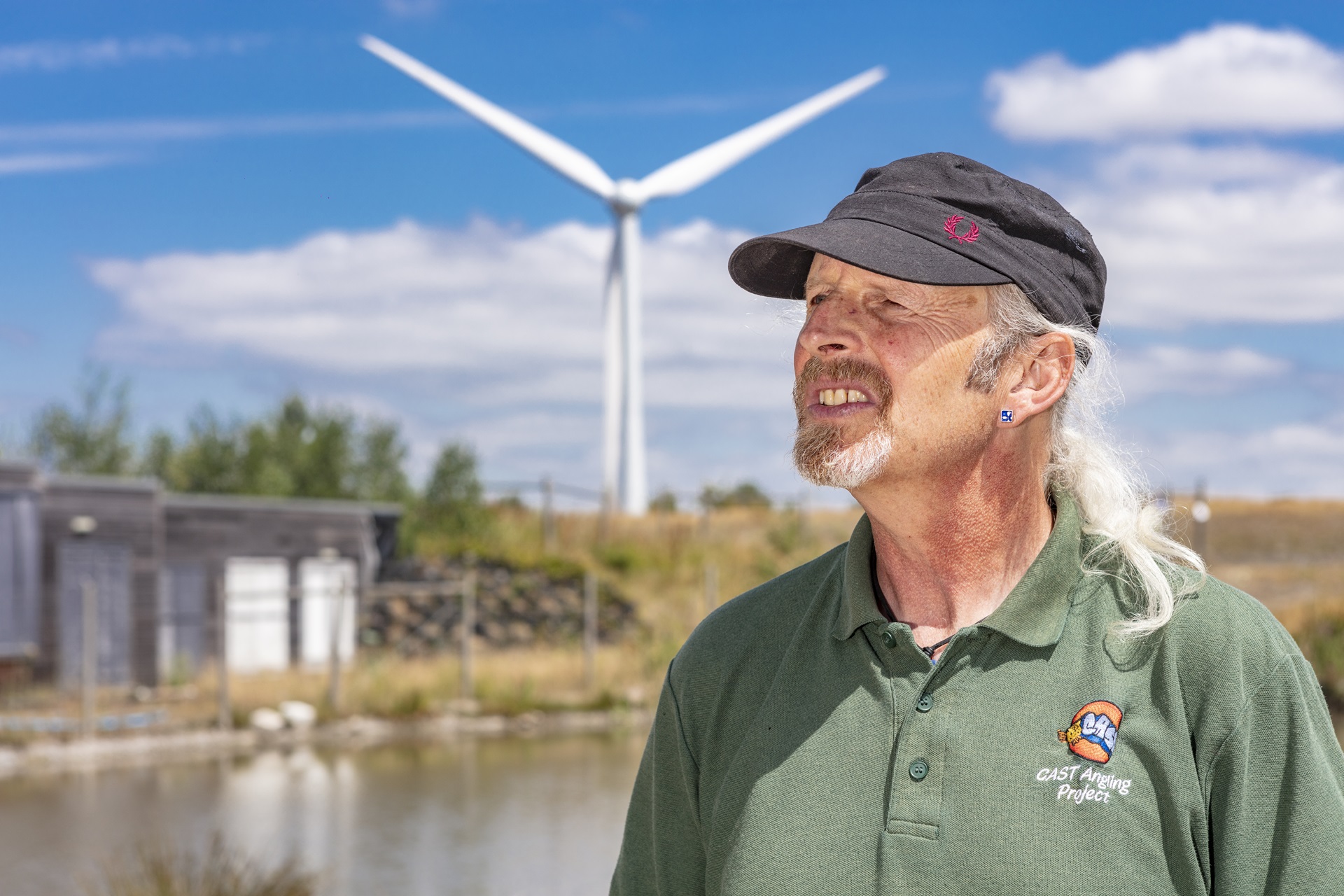
Nearly £50m went out to small and medium sized charities and social enterprises in the shape of grants and loans. But with the Growth Fund closed, is the finance gap back? We look at the legacy of this pioneering fund and what has followed it.
For years, social enterprises complained that there was a missing middle when it came to getting investment. Lots of startup grants or loans at the beginning of their journey were available, and plenty of finance was on offer for organisations that had grown to a certain size with a healthy turnover. But for those beyond startup with proven social impact and more modest revenue that were looking for investment to grow? Not so much.
As long ago as 2017, SEUK’s ‘State of Social Enterprise’ report identified that ‘social enterprises remain ‘finance-hungry’ and ‘access to the right type of finance at the right time is still a key barrier (or enabler) of success.’
The report recommended that social investors and the wholesalers that build the market, should focus on smaller, unsecured and more patient finance, but also on products that meet the needs of social enterprises – for working capital, cash flow pressures and income diversification.
The news that a final evaluation of the Growth Fund – which offered blended finance (a mix of grant and loan) of up to £150K to smaller organisations – showed that it had helped to fill a crucial gap in the social investment market is therefore very good news.
The Growth Fund
£50m was up for grabs, with £22.5m coming courtesy of National Lottery players. The remainder came from Better Society Capital, who contributed £27.5m from dormant assets it had received: unclaimed amounts in accounts that banks were unable to reunite with owners. The programmme was delivered by Access, which worked with 15 social investors to manage deployment.
Between 2016 and 2023, 780 investments were made in 580 voluntary, community and social enterprise organisations (VCSEs), around half of which had never applied for investment outside of grants before. As the finance on offer was blended (some grant, some loan), the evaluation report concludes that it was the free money on offer (the grant) that was ‘a key motivator’.
The Growth Fund was successful in plugging the ‘missing middle’ gap of finance available to small and medium sized VCSEs. The average investment was £67K, and the median annual income of funded organisations was approximately £177K, with 54% of funded VCSEs having fewer than five full-time employees. Only 12% of those funded had more than 25 full-time staff.
The money was typically used for growth: scaling up existing activities, asset acquisition, diversifying income and staff development, but also for reducing reliance on grants and boosting reserves. Recipients of the money were surveyed, with 29% responding.
Of those surveyed, 50% of VCSEs reported significant improvements in financial resilience. Over 70% of VCSE survey respondents indicated the social investment increased their overall social impact and the number of beneficiaries they supported.
Aside from helping to grow VCSEs, the Growth Fund was also successful in growing the social investment market: 70% of those surveyed applied for further investment after their Growth Fund loan and 80% would recommend social investment to other VCSEs.
Access distributed funds to various regional social investors and although experienced social investors delivered seven of the resulting social investment funds, 10 were delivered by organisations with no prior loan book management experience. Half of those are continuing with blended finance, and half are no longer active.
The legacy
The Growth Fund set in motion a range of further blended finance programmes, including Access’s £50m Enterprise Growth for Communities programme (the successor to the Growth Fund, backed by £20m in grants from dormant assets money), which continues to offer simple blended finance products that are largely unsecured. More recently, Access has also been allocated a further £87.5m of dormant assets money, £41m of which is intended for blended finance funds.
“The Growth Fund was instrumental in establishing the role that blended finance can play in supporting smaller charities and social enterprises to access the finance they need,” said Neil Berry, Director of Programmes at Access.
“Crucially, the Growth Fund was not a one‑off intervention but the starting point of a deliberate pipeline of support, ensuring there was no drop‑off or gap in the availability of appropriate finance. It has been the springboard for much of our subsequent work – at least half of the finance we support charities and social enterprises with is in the form of small-scale unsecured debt.”
Please note Access funds social investors and intermediaries, not charities or social enterprises directly. If you are a charity or social enterprise looking for social investment, visit Good Finance.