News and views
New social value guidance for commissioners published
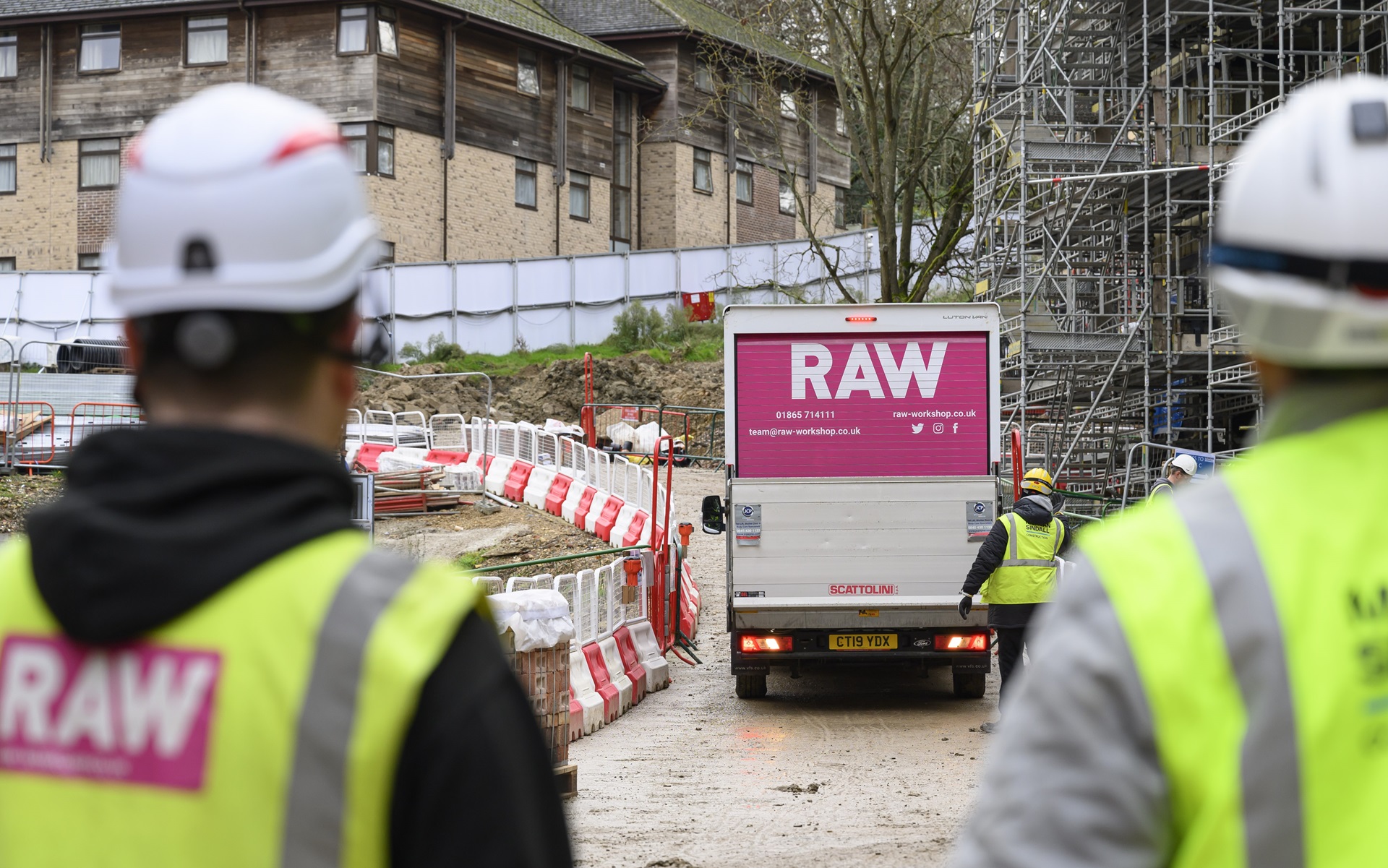
The Government has published PPN026, the new guidance on social value for commissioners. Did your recommendations change their thinking?
With nearly a million young people aged 16-24 not in employment, education or training (NEET), the government’s decision to reward contractors for jobs and skills creation is, to some extent, understandable. But as is so often the case with policy, the devil is in the detail.
Narrowing the definition of social value to jobs and skills seems to mean every other social value consideration – improving health and wellbeing, environmental sustainability, support for vulnerable or underserved communities, for example – is out. And the removal of any social value weighting for contracts of £1m or less raised the prospect of profit maximising private sector companies with better resources outscoring social enterprises, which are constituted to create social value.
Our members had plenty to say about it, so in response we launched a survey to collect these views and whittled down the responses to a set of four recommendations for government. Now new guidance for commissioners has arrived in the shape of Procurement Policy Note (PPN) 026 has arrived. So were the concerns of our members addressed?
Reinstating supply chain diversity as a scored outcome
Verdict: win. Outcome 1 (‘Good jobs’) in PPN 026 recognises the link between VCSEs in the supply chain and the creation of good jobs; “activities to increase the number of SME, scale-ups and VCSEs in the supply chain” is part of the criteria.
Prioritising contracts of £1m and under for SMEs and VCSEs
Verdict: not mandatory but strongly suggested. It’s not explicitly stated that smaller contracts should go to VCSEs and SMEs, but a section in PPN 026 with the subheading ‘Direct contract awards’ states “You do not need to apply PPN 026 if awarding a public contract directly to a supplier of your choosing without a competitive tendering procedure.” At the same time, the guidance also recognises the inherent value of VCSEs (something we have been lobbying for consistently), stating “Some organisations, such as VCSEs, can deliver social value as standard practice”.
Adding weight to the case for commissioning social enterprises is Annex E of PPN 026, which directs commissioners to “ensure you follow expectations set out elsewhere, such as the National Procurement Policy Statement”. As we previously reported, this recognised social enterprises “are more likely to generate diverse and thriving local economies, creating jobs and economic growth” and stated that the number one requirement for economic growth in the NPPS is to “maximise procurement spend with small and medium-sized enterprises (SMEs) and VCSEs”.
Require subcontracting transparency
Verdict: unclear. Back in 2018 (in PPN01/18) the Government told commissioners it wanted to “level the playing field and increase the visibility of supply chain opportunities to assist suppliers, including SMEs, in bidding for work in its supply chains”. This would also help social enterprises see who they were up against, in part to see if those suppliers could be considered to offer social value.
The new guidance states that PPN 026 replaces all previous PPNs on social value, so, at first glance, it would seem that transparency has disappeared. However, under the Procurement Act (2023), suppliers must provide details of their sub-contractors. The new guidance says PPN026 does not replace the requirements included in other guidance documents or legislation.
Require independent verification of KPIs
Verdict: loss. While there is specific mention of KPIs, and confirmation that “evidence of poor performance against the social value KPIs can be used to exclude them from bidding on future contracts,” there is nothing advocating mandatory independent verification of these. If the commissioner is especially diligent, they may scrutinise social value reporting, as PPN026 advises ensuring “that the monitoring and reporting of social value outcomes is appropriate.”
Slightly better news is that there will be Ofsted like ratings for the KPIs (such as ‘good’, ‘requires improvement’, ‘inadequate’ etc.) and that these may be public. Commissioners are advised to publish them on the Central Digital Platform, and for bigger contracts of £5m+, contract performance notices should be published every 12 months.
In other news
There will be a defined list of ‘Community Programmes’ held nationally which bidders can make commitments with. These will be established jobs/skills programmes helping people with barriers to employment. We’ll be interested to see who is on that list of providers (will they all be national charities/big employability programmes?) and how it will develop. Smaller, locally rooted VCSEs need a route in, given their knowledge and relationships -and the list shouldn’t become a substitute for engaging with the wider local sector.
That this is the 26th Procurement Policy Note suggests that changes to guidance will continue. As such, Social Enterprise UK will continue to engage with government to lobby for policy that benefits our members.