Case studies
“You can’t commit crimes in the dark”: the investigators using tech to track war crimes
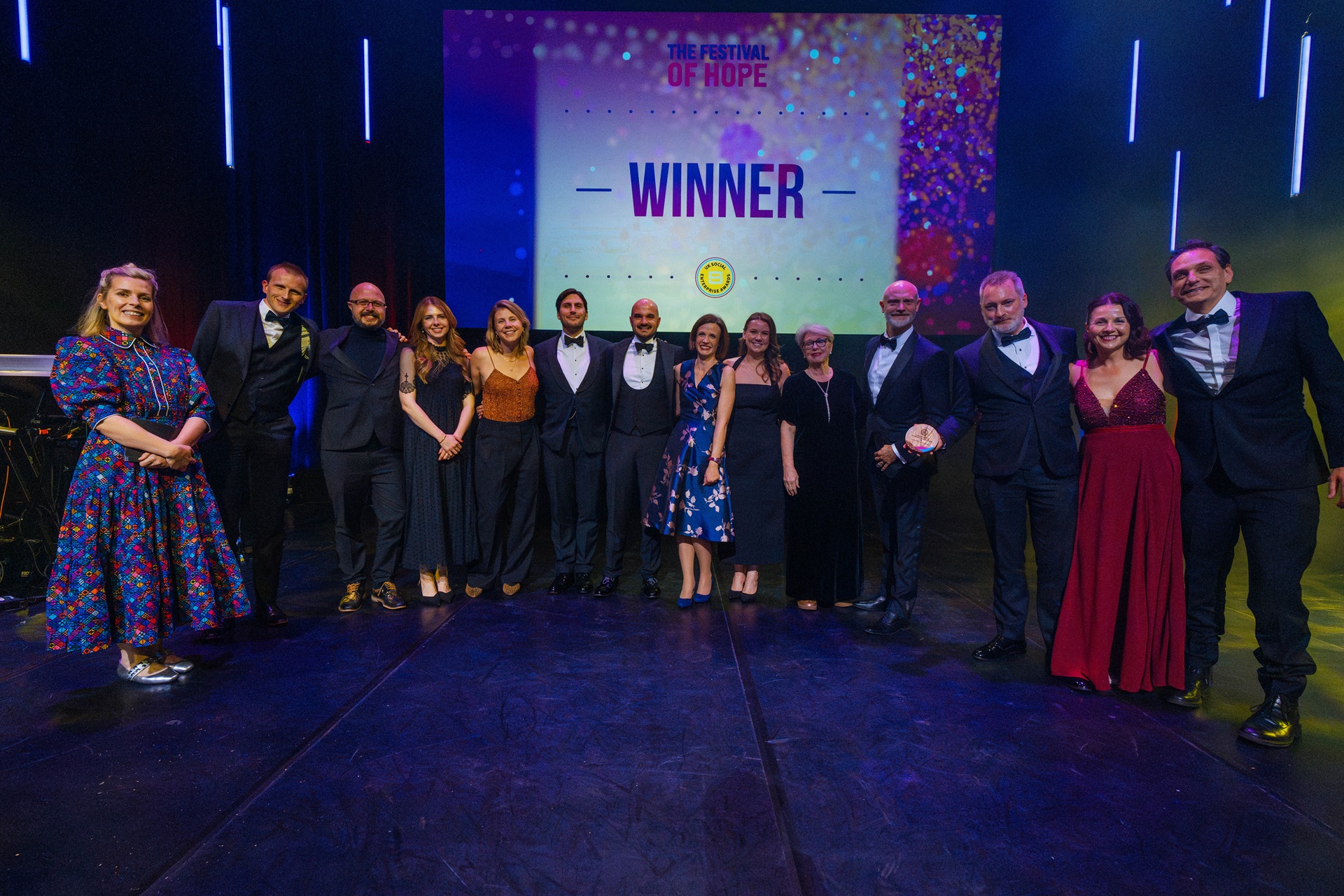
The Centre for Information Resilience (CIR) won the International Impact Award at the 2025 UK Social Enterprise Awards for work that includes geolocating war crimes in Palestine, Sudan and Myanmar. As tickets go on sale for this year’s Awards, we look at how CIR co-founder Adam Rutland built a team of open-source investigators who turn phone footage and satellite images into courtroom-ready evidence.
“There are a lot of bad people doing a lot of bad things around the world. Our mission is to say one thing to them: we’re watching you.”
Not many award acceptance speeches sound like a defiant warning. Adam Rutland’s, accepting the International Impact Award at the 2025 UK Social Enterprise Awards, was made all the more memorable because of it. The co-founder’s speech was certainly different, something that could also be said of his organisation.
Visit CIR’s website, and you’ll find reports of wrongdoing by what it calls ‘malign actors’. At the time of writing, this included investigations into whether Israeli displacement orders were sending Gazans to genuinely safe zones, how access to water (a basic human right) was being used as a weapon in Syria, and how far-right groups are spreading misinformation about London.
Tracking a massacre from a phone video
One case shows just how fascinating and painstaking that work is. CIR found a Rapid Support Forces (RSF) camp in Libya. The RSF is one of two factions fighting Sudan’s civil war, which has raged since April 2023. CIR was able to prove that fighters from the camp were involved in an attack on the Zamzam refugee camp in North Darfur in Sudan; once home to 500,000 internally displaced people, it is now an RSF military base. A massacre took place there, and most of that number were forced to flee again.
CIR traced the camp by studying phone footage RSF fighters had posted online and cross-referencing satellite images showing light sources from desert encampments at night. Investigators then built 3D models of vehicles from the footage, identifying them by markings such as words written in the dust on windscreens and existing damage. Famine took hold in Darfur as food supplies dried up, but the supply of military equipment to the RSF hadn’t, and CIR traced where some of it was coming from.
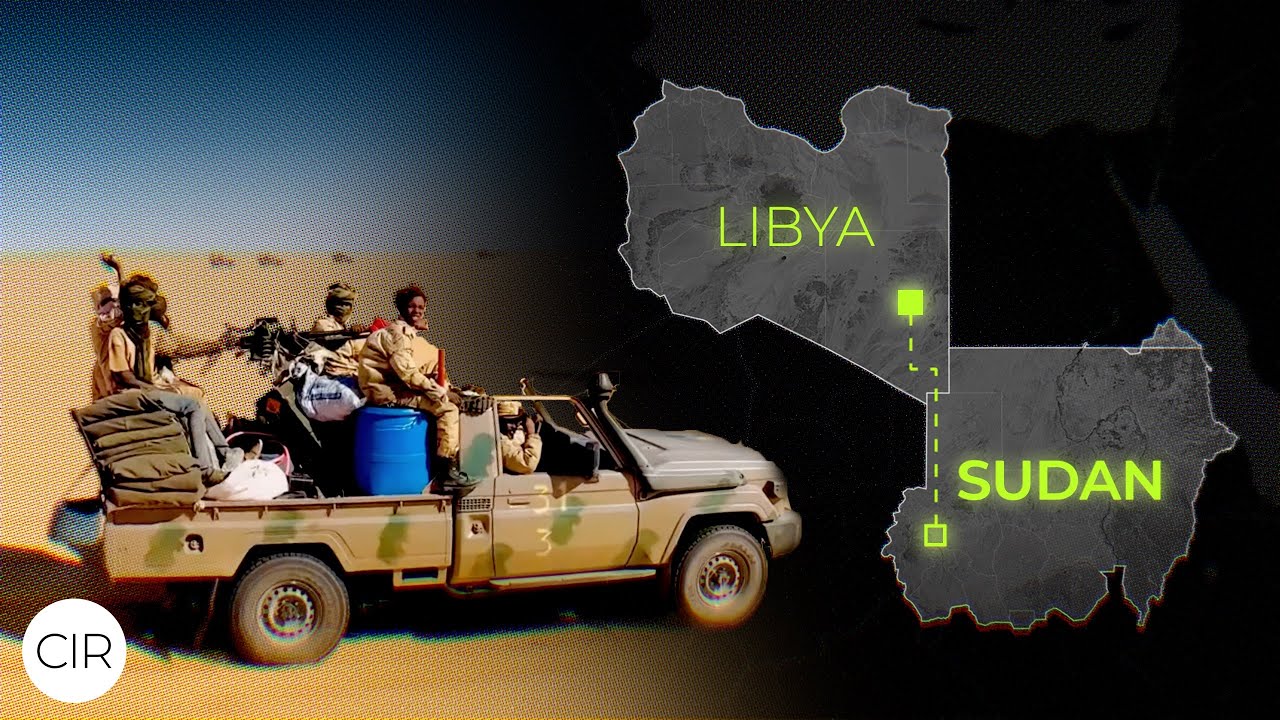
Find out how CIR found a RSF military camp deep in the Libyan desert
Much of CIR’s work uses this kind of technology. Many of their published investigations include interactive maps, with dots marking specific incidents; click on one and you might find phone footage that’s been verified through geolocation.
“Our ability to harness technology, and the methodology that some of us learnt in government — and some of us learnt outside of government — has allowed us for the first time to really move from simply collecting information to collecting evidence that can be used for an impact on the ground,” says Rutland.
As well as raising public awareness of harms around the world, that evidence is used in national and international courts to prosecute war crimes and other abuses, helping deliver justice for victims, he explains.
From diplomacy to digital investigation
Rutland was drawn to this work after 15 years as a Foreign Office diplomat, posted to a variety of countries.
“In all of those places there were obviously harms, sometimes by authoritarian regimes and sometimes by online actors. And when I came back to the UK, I was determined to do something about it,” he says. Geographically at least, he’s still close to government: CIR’s office is housed in a 19th-century building near Whitehall.
Centre for Information Resilience launched in 2020 and now employs 65 people, with a further 200 investigators and analysts working across 42 countries. Rutland describes CIR as a high-end research organisation.
“We like to find really difficult, hard-to-find information and package it up for news organisations, for governments, for NGOs, primarily to help the fight against human rights abuses and online harm,” he says, explaining the organisation’s revenue model and who its clients are.
Casting our lot
Rutland admits the work CIR does is “quite dark sometimes”, which is partly what led the organisation to enter last year’s UK Social Enterprise Awards.
“I thought it was a good idea for us to maybe just lift our head up a little bit, look at the other social enterprise organisations doing good in the world, and just cast our lot to see if people thought what we were doing was worthwhile.”
Rutland describes the win as “fantastic,” and a tribute to the hundreds of people behind CIR’s work. His acceptance speech wasn’t planned.
“I wanted people to know that they can’t commit crimes in the dark, that there is a light shining on what they’re doing. And ultimately, somewhere, at some time, justice will be served.”