
Social enterprise: a missing funding piece for hospices and charities
The traditional hospice funding model is under pressure, and across the UK, charities are struggling with rising costs and falling donations. With NHS contributions declining and the demand for end-of-life care rising, hospices must look beyond the usual “fundraising pond.” St Helena Hospice have found a solution in social enterprise. By monetising skills it already possesses, the hospice isn’t just asking for donations – it is providing essential services that fuel its core mission.
It became a franchisee in cleaning business Total Clean, setting up Total Clean in Support of St Helena in 2024. This operates as a social enterprise providing cleaning services for commercial businesses, schools, St Helena itself and also another hospice. 100% of profits flow back into St Helena to help fund its charitable purpose of supporting people in Northeast Essex at the end of their life.
St Helena took a skill they already had in house and used it to create a new, sustainable income stream. As Co-Chief Executive, Kate Heslegrave puts it:
“The logic behind establishing a commercial cleaning business was to take a skill that we already had internally and monetise it. We already cleaned an In-Patient Unit to medically clean, so we know how to clean, and we know what clean is. By packaging this up and selling it into commercial businesses, we were also selling a product that commercial businesses have to pay for anyway – cleaning – so we weren’t trying to convince them of a new proposition, just to divert their existing spend to us.”
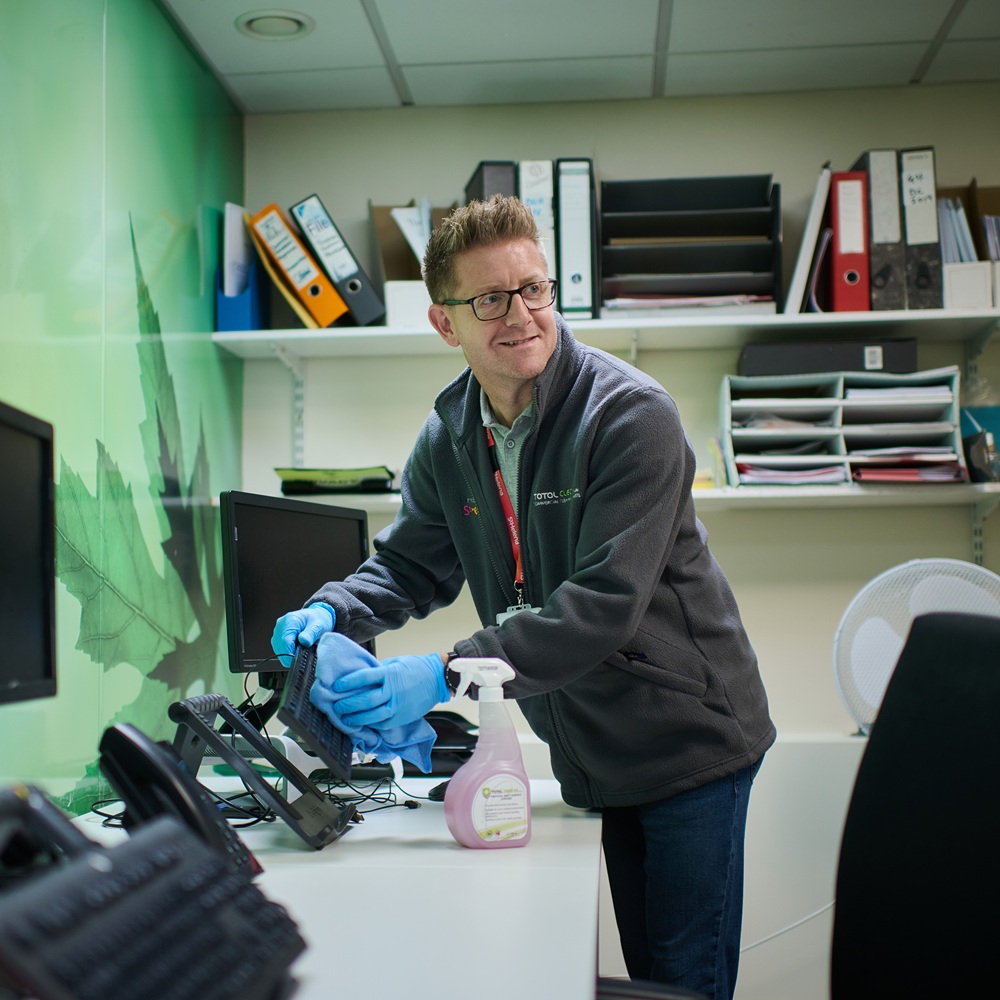
Bringing in new income and helping to support the mission
Total Clean In Support of St Helena has been a game changer for St Helena, generating over £1 million in income in its first full trading year. The business will break even this year and from FY27, the additional profits will be flowing back into the charity to help fund its charitable services. The business has also brought increased recognition in the community, helping attract new supporters.
Kate also sees how Total Clean in Support of St Helena gives St Helena an edge when it comes to attracting new customers looking to maximise their social value stating that, “we also have the benefit of a strong social value USP, enabling businesses to ‘tick that box’ without having to spend more money in a time of economic challenge.”
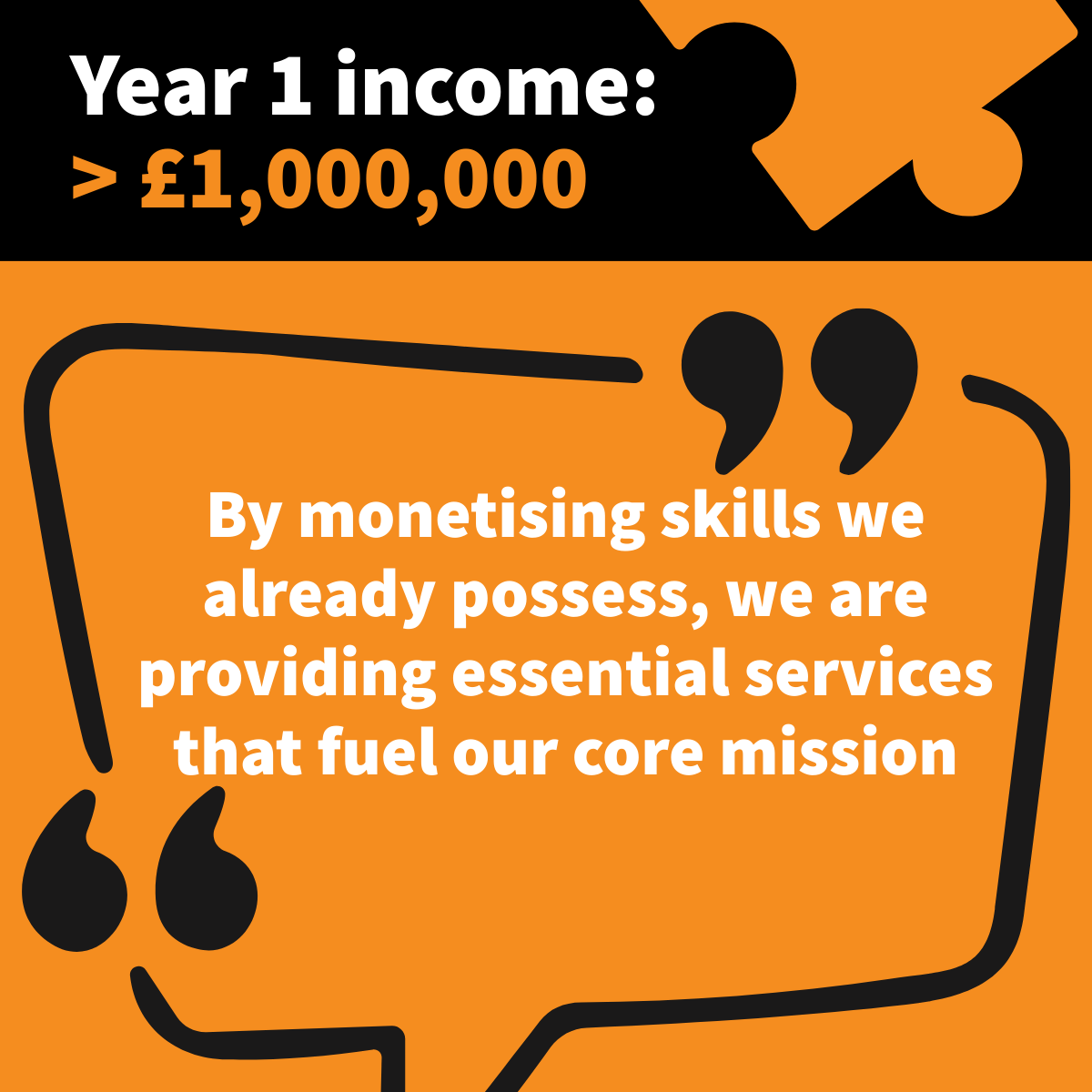
Being too successful?
The incredible success of Total Clean in Support of St Helena’s first year was, according to Kate, “arguably too successful” with businesses increasingly looking to work with the social enterprise. This was a bit of a learning curve for the hospice, as Kate says:
“The issue was that we weren’t prepared for it to grow that quickly, and so we had a lot of learning to do that year and ultimately made a deliberate decision to shrink our number of customers in year two to give us time to better build our infrastructure. This is where we are now, with significant and exciting growth plans and an infrastructure that can support them.”
One challenge that St Helena’s faced was ensuring that they’d chosen the right business model for their social enterprise. With different structures bringing their own benefits and difficulties.
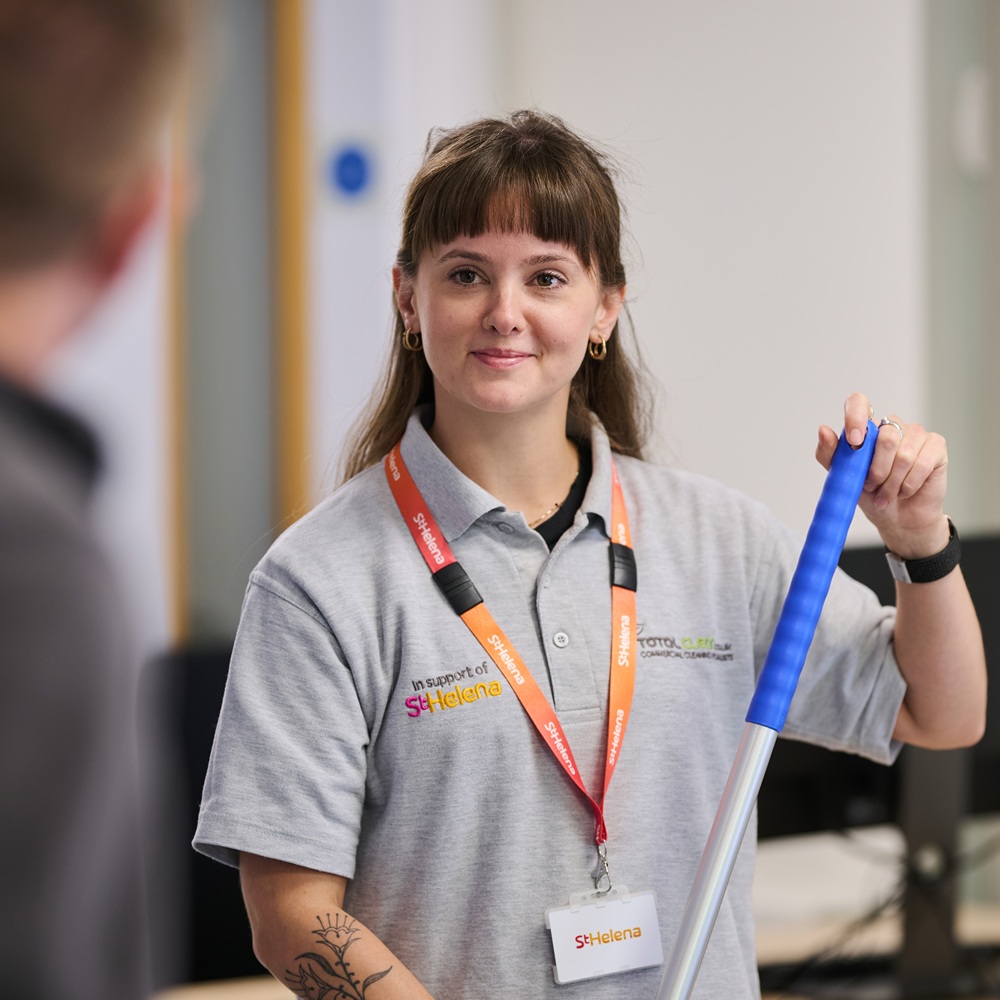
Top tips for embracing social enterprise
“A big decision is what business model to choose – a start-up (either as a franchise or setting up yourself) or buying a pre-existing business. Start-ups won’t repay overnight, so you need to be planning a few years in advance of when you need the profit.”
Another top tip from Kate is the need to invest in the fledgling social enterprise and not scrimp on spending on the key areas that impact success, such as ensuring the business has a strong management team and that support services teams are scaled up to deliver.
Whilst there have been challenges in St Helena’s social enterprise journey, the establishment of Total Clean in Support of St Helena has had a transformative impact on the hospice. As Kate puts it, investing in social enterprises, “is the future of sustainable charitable funding”. Having a diversified and successful income
generation portfolio now forms a key part of St Helena’s 2026-2029 strategy.
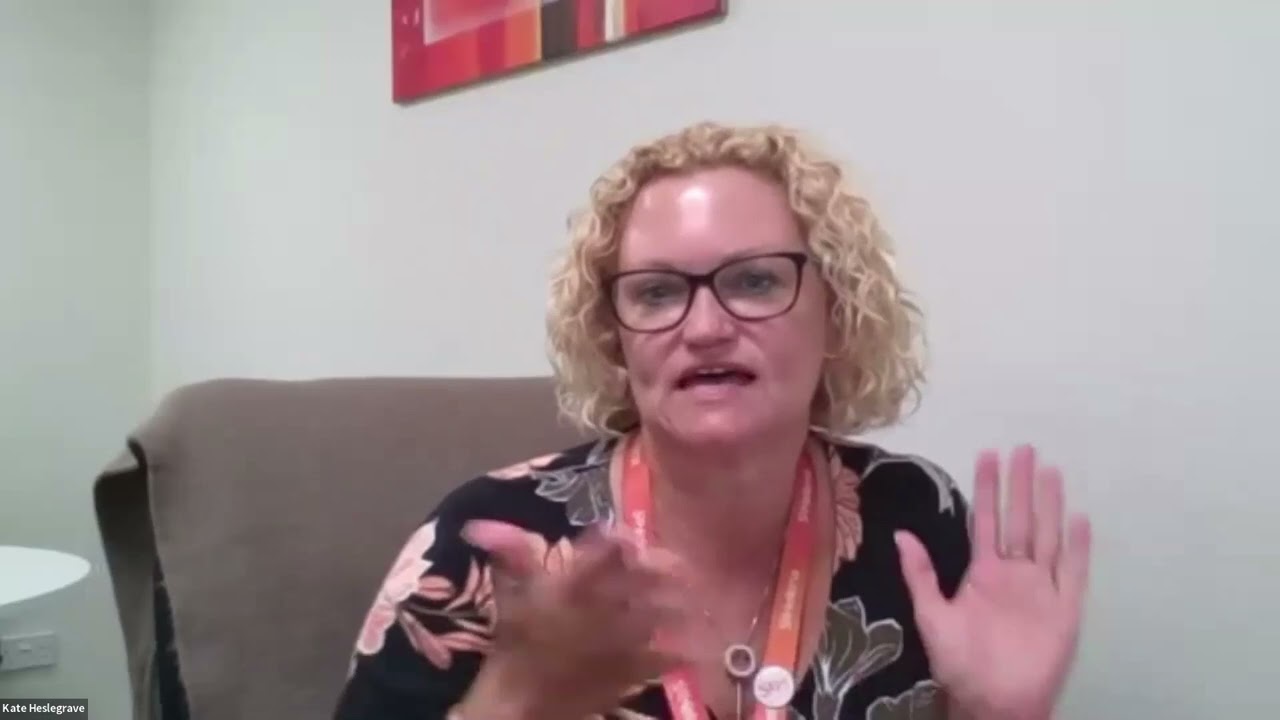
We spoke to Helena’s Co Chief Executive Kate Heslegrave in an exclusive webinar where she went through the hospice’s journey embracing social enterprise solutions. Here’s a sneak peak where she talks about the internal culture shift which occured in the hospice to embrace setting up a commercial trading arm in the face of initial scepticism.
Listen to the full interview with Kate Heslegrave
If you’re a hospice or charity, setting up a trading social enterprise could help put your organisation on a more sustainable footing and secure your income streams. In our interview with Kate, she goes through:
- Why St Helena turned to a social enterprise solution to address the challenges they faced
- Why they chose to go into cleaning
- The challenges of setting up a social enterprise and the tangible benefits it brought
- Key learnings
- The differences between franchising, acquisition, and starting your own new business.
If you’d like to listen to the full interview and access Kate’s valuable insights, please do fill out the form below and we’ll send you the full recording.