News and views
The impossible deal
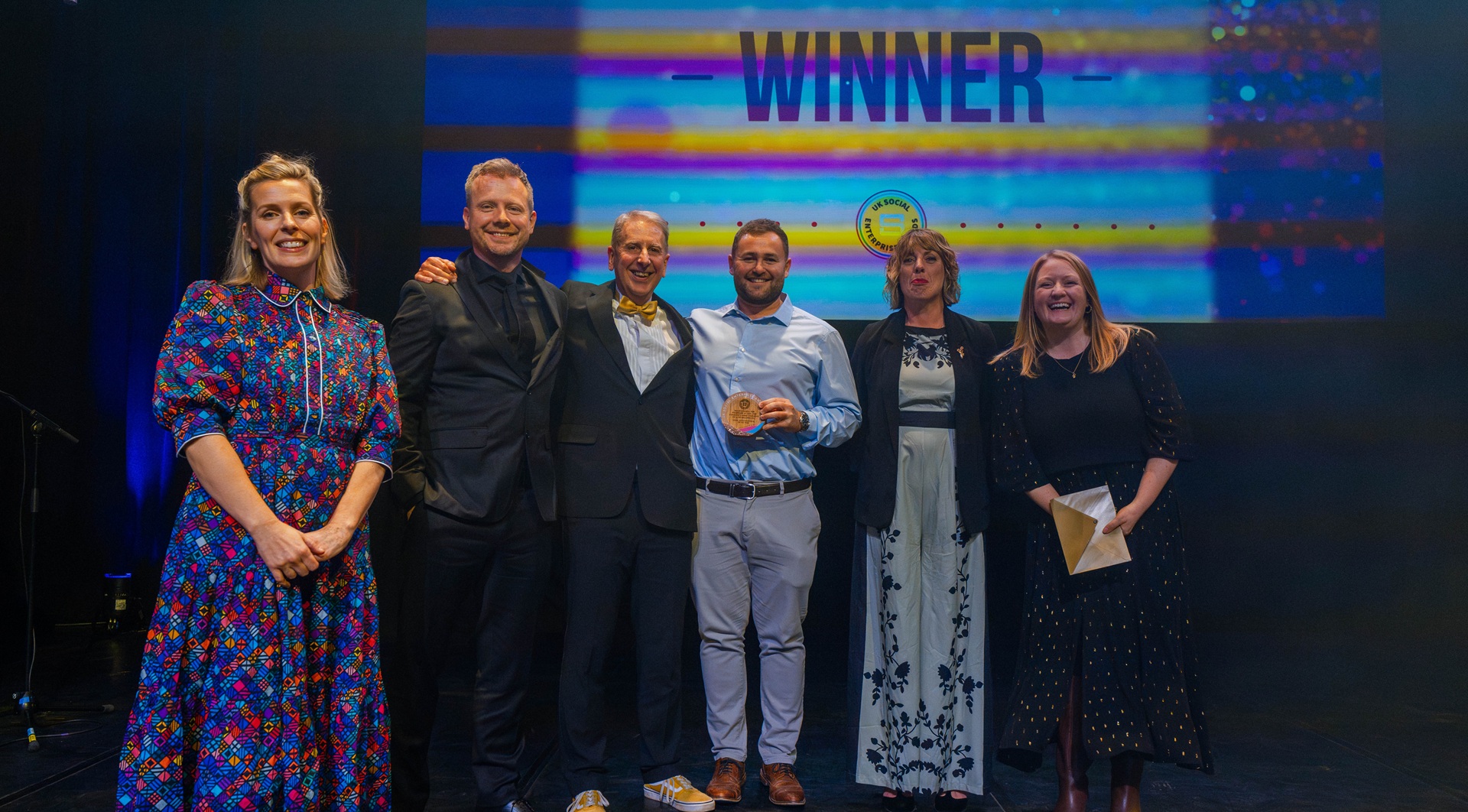
Most lenders would reject an applicant with no track record of the project they needed £300K for. But WCVA is no ordinary lender. We spoke to one of the winners of the Social Investment of the Year award at last year’s UK Social Enterprise Awards to find out how it happened.
When Tai Heulwen CIC – the name translates from Welsh as “sunshine houses” -approached WCVA’s social investment team, they had an idea about creating a children’s residential home, but not much more. No property in mind. No successful track record in that sector. Just a vision: to open a new residential home for children in care in Wales, run on social rather than profit-driven values.
For most lenders, that conversation might have ended pretty quickly.
“It was going to be 100% finance for a startup organisation,” says Alun Jones, who leads WCVA’s social investment work. “From a lender’s perspective, you’ve got no guarantee it will be signed off by Care Inspectorate Wales as suitable premises. And you’ve got no guarantee the local authority will actually place anybody there.”
The risks didn’t stop there. With months of renovation work ahead and no income coming in, interest would simply roll up, meaning the borrower could owe more by the time they opened than when they started.
So why did WCVA say yes?
The legislation changing everything
Part of the answer lies in a seismic shift in Welsh policy. New legislation means that, within a five-year transition period, all residential childcare in Wales must be delivered by local authorities, charities, or not-for-profit organisations. To prevent profiteering from looking after vulnerable children, the private sector is out.
“The legislation is something of a challenge to the sector to make it work in a practical sense,” says Jones. “It’s up to us as the sector to find some solutions. Somebody has got to start taking some risk. And we thought, well, why not us?”
WCVA had done something similar a decade earlier and knew it could work. But this time, Jones saw a smarter way to structure the deal, one that would dramatically reduce the risk for everyone involved.
The missing piece
WCVA was already lending to a second organisation: Community Impact Initiative (Cii), a social enterprise whose model involves buying properties, renovating them, and either renting them out long-term or selling them on. Cii had the skills, the experience, and critically: a strategic ambition to become a long-term property owner.
Jones put two and two together. “I said, why don’t the two of you get together? Because this sounds like the perfect solution. I’ll happily lend money to a builder who knows what they’re doing.”
The structure they landed on was elegant. Cii would buy and renovate the property to Tai Heulwen’s specification. If it gained approval from Care Inspectorate Wales, Tai Heulwen would become the tenant, which suited them perfectly, since they’d concluded they were a childcare company, not a property company. And if approval was never granted? The enhanced fire safety spec, such as having sprinklers and reinforced doors was the only real difference from a standard residential home. Cii could rent it out or sell it on. The downside was manageable.
“Putting the two together took not all the risk, but a huge lump of the risk out of the whole process,” says Jones.
How the money works
The final loan structure was split across both organisations. Tai Heulwen received around £120,000 to cover furnishings and the revenue costs needed to bridge the gap between opening and receiving their first council payments.
Cii received £200,000 over 25 years for the property purchase and renovation, secured against the building itself. Both loans carry an initial base rate of 7%, fixed for the full term, with discounts available for paying the Real Living Wage and committing to a climate action plan.
The plan is for WCVA to eventually hand Cii’s loan over to Ecology Building Society (another socially-minded lender) once the property is tenanted and proven. That frees up WCVA’s capital to fund Cii’s next project.
The build has hit some bumps – a scaffolding contractor went under, causing delays – but the home is now expected to be completed by summer 2026 and will accommodate up to five children.
Recognition on the national stage
The deal caught the attention of judges at the UK Social Enterprise Awards, where WCVA, Tai Heulwen and Cii were named joint winners of the Social Investment of the Year award – the second time WCVA has taken the prize.
For Jones, the win meant more than the trophy. “We go under the radar a little bit and just bump along doing what we think is right,” he reflects. “To go to a UK awards and win it — you go, actually, we’ve got a reasonable idea of what we’re doing here.” UK
And with Wales’s voluntary sector now tasked with filling a gap that legislation has created, WCVA hopes this deal is more than a one-off. It’s a proof of concept and an example to governments everywhere of what can be achieved when socially minded investors and social enterprises work together.